New Opportunities for States under the Consolidated Appropriations Act, 2023
With new changes to federal Medicaid law that took ef fect Jan. 1, 2025, states have a valuable opportunity to reduce costs and improve health outcomes for youth involved in the justice system. This brief outlines the new changes and key opportunities for state policymakers to act.
is essential for disrupting cycles of arrests, but all too often bureaucratic hurdles prevent youth who are transitioning back to the community from accessing the services they need to be successful.
In 2021, more than 113,240 youth were detained and 32,777 were confined in (“sentenced to”) a residential carceral facility post-adjudication, the vast majority of whom returned home to the community after three to six months. Youth in custody are more likely to come from historically disadvantaged communities—Black youth are four times more likely to be incarcerated than white youth for the same charge.
Unaddressed behavioral health needs such as depression or substance use disorders, which may be related to high exposure to childhood trauma, can be a precipitant to juvenile legal system involvement. More than half of youth in custody have faced four or more adverse childhood experiences (ACEs), including significant trauma such as physical or emotional abuse and the loss of or long-term separation from a parent or caregiver (Figure 1).
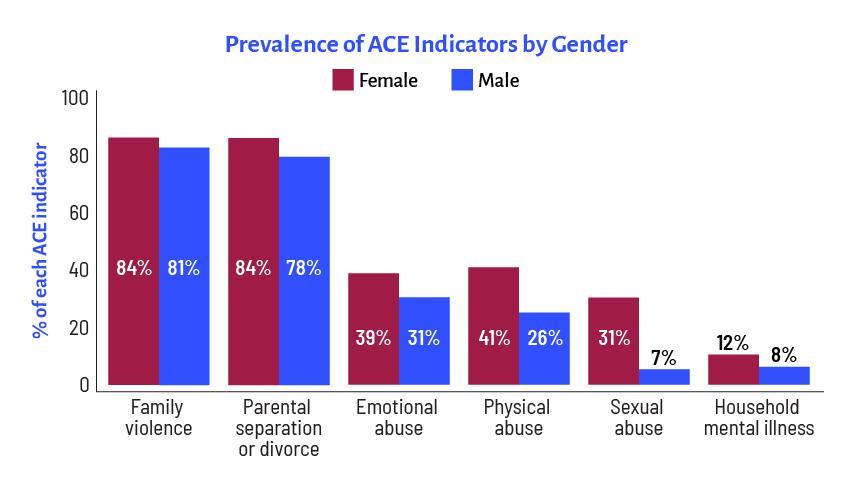
Figure 1. Percentage of adverse childhood experiences among youth in detention.
National data on youth in custody indicate that this population’s mental and sexual/reproductive health care needs far exceed their non-incarcerated peers. For example, one in five youth (males and females) in custody are parents or are expecting children. Nearly two-thirds of males and three-quarters of females in detention meet diagnostic criteria for one or more psychiatric disorders, which can become exacerbated by the trauma of incarceration (Figure 2).
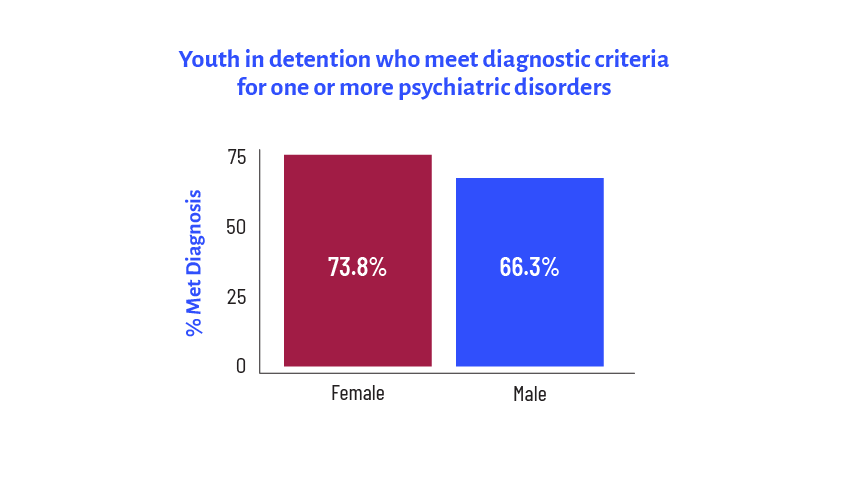
Figure 2. Percentage of youth in detention meeting diagnostic criteria for one or more psychiatric disorders.
Physical health conditions, including chronic diseases such as asthma or seizure disorders, may be undiagnosed or undertreated prior to entering custody settings. Incarcerated people have a long-standing constitutional right to access to health care in custody settings, but diagnostic pathways and treatments received in corrections may be disrupted during the challenging period of reentry.
During reentry, typically considered the 6- to 12-month period when youth are transitioning out of custody settings back to the community, youth simultaneously face the developmental tasks of adolescence while navigating challenges inherent to reentry, such as adhering to court and probation requirements, reenrolling in community schools, reconnecting with their social networks, including family and peers, and transferring health care back to community settings.
Most youth express plans to succeed upon their reentry, and most qualify for Medicaid in the community. Connecting youth to health care during reentry, such as family-based behavioral health interventions, improves their health and educational outcomes and reduces recidivism.
However, until recently–due to the federal Medicaid Inmate Exclusion Policy (MIEP), which prohibits federal Medicaid dollars from funding health care for people involuntarily held in correctional facilities–youth faced gaps in coverage that limited their ability to access care during reentry, even for court-mandated behavioral health care services. The 2018 SUPPORT Act requires that states suspend rather than terminate Medicaid coverage during a youth’s incarceration, a first step in eliminating gaps in Medicaid coverage during reentry, as it makes Medicaid easier to reactivate after an incarceration. More recent Medicaid advances can help leverage gains achieved through delivery of health care during incarceration across the pivotal reentry period.
These new state Medicaid requirements, and the implementation of system changes to meet them, pose a significant opportunity for state policymakers to adopt and implement additional policies and supports to meet the short- and long-term health needs of youth during and after incarceration.
Key Medicaid Changes under the Consolidated Appropriations Act, 2023
This landmark legislation—effectively a partial repeal of the Medicaid Inmate Exclusion Policy—has the potential to transform population health outcomes and enhance public safety, while also reducing costs; however, to do so will require effective implementation by states.
The Consolidated Appropriations Act (CAA), 2023, includes the following mandatory provisions, effective Jan. 1, 2025:
- States must provide medically necessary physical and mental health screening services in accordance with pediatric Medicaid standards beginning 30 days prior to release for adjudicated youth exiting carceral settings, including to: 1) all youth under age 21 who are eligible for Medicaid, 2) youth under age 19 eligible for CHIP, and 3) former foster youth under 26.
- States must provide targeted case management (TCM) services to these youth from 30 days prior to release and for at least 30 days post-release to ensure service linkage to health and health-related service needs in the communities.
These provisions apply to young people transitioning out of juvenile facilities, jails, prisons and tribal facilities. The Act also provides states the option to use Medicaid funding to provide health care services for youth in detention who are “awaiting disposition” (i.e., “pre-trial”).
Implementation of the CAA can be further bolstered by states’ voluntary participation in Medicaid 1115 Waivers, which offer states substantial flexibility to use Medicaid funds to cover more services and for longer durations, such as for extended case management (90 days) and 30-day medication supply for people exiting incarceration.
Intersection with Medicaid’s Early and Periodic Screening, Diagnostic and Treatment Requirements
Medicaid offers an unparalleled guarantee to its enrollees under age 21: The Early and Periodic Screening, Diagnostic and Treatment (EPSDT) requirements ensure that young enrollees can access any service that is medically necessary to correct or ameliorate a health condition. This broad scope is implemented differently across states.
In 2024, the Centers for Medicare and Medicaid Services (CMS) issued new guidance to clarify states’ obligations and identify best practices for meeting the EPSDT requirements. Many of the best practices described in the guidance closely align with opportunities for states to support young people during the reentry period. For example, CMS notes that a behavioral health system with a single point of entry, accessible to parents, clinicians, schools, juvenile justice, foster care agencies and young people, can greatly reduce the complexity and delays in accessing and obtaining care.
States can take advantage of the opportunity to meet their EPSDT obligations while also addressing the needs of young people during the reentry period by prioritizing the service and supports needed during transition and reinstatement into community settings.
Implications for State Policymakers
Medicaid is the cornerstone of child health, yielding significant improvements in the long-term health and well-being of young people. Leveraging these changes during the reentry period can substantially improve youths’ timely access to the full suite of necessary services, including mental health, substance use and medical preventive care, after community reentry, further improving the health outcomes of a population with significant unmet health needs, reducing recidivism and lowering costs to states and the federal government.
Special Considerations for State Action
Call to Action
State policymakers have an opportunity to leverage the policy changes required by the Consolidated Appropriations Act, 2023, to make additional system improvements to support young people transitioning back into the community. Doing so will improve the health and well-being of youth in the legal system, reduce recidivism and lower costs.
The American Academy of Pediatrics (AAP) stands ready to support states in these efforts and is committed to ensuring that all youth receive the care they need.
Acknowledgments
The AAP thanks the Annie E. Casey Foundation for funding the development of this policy brief.
Last Updated
03/07/2025
Source
American Academy of Pediatrics