

Trauma-Informed Care: Recognize, Respond, and Empower with Relationships to Help Children and Families Thrive
Many children and families have experienced trauma - whether that's trauma that occurs within the household, like substance use, parental mental illness, abuse or neglect; or trauma that occurs in the community, like community violence, poverty and others. Pediatricians may not always know which of their patients and families have experienced trauma - that's why the AAP recommends trauma-informed care as a universal approach to pediatric care.
Learn More About Trauma-Informed Pediatric Care
The National Center for Relational Health and Trauma-Informed Care empowers pediatricians and pediatric health care professionals with a universal approach that promotes safe, stable and nurturing relationships and the resources to recognize, assess and treat trauma to help children and families thrive.
Click here to learn more about the National Center, or contact us.
Web pages whose development was supported by federal government grants are being reviewed to comply with applicable Executive Orders.
What's New
Publication: Pediatric Traumatic Stress in Primary Care
A recently published article in Pediatrics describes a study that tracked screening responses from primary care clinics from July 2022 to June 2024. Pediatricians who use a screening tool may be able to more easily identify the cause of their patients' health concerns and help avoid overprescription of antianxiety and depression medications when trauma and traumatic stress are primary concerns.
Additional Resources
These resources provide information and guidance to support pediatricians in taking a trauma-informed approach to pediatric care.
AAP Recommendations
The AAP provides recommendations and guidelines to support pediatricians, other pediatric health care professionals and health care systems in the implementation of trauma-informed care.
AAP Clinical Report: Trauma-Informed Care
AAP Policy Statement: Trauma-Informed Care in Child Health Systems
Education & Training
Pediatricians and pediatric health care professionals are uniquely positioned to partner with families and support children who have experienced trauma. This makes it vital that pediatric health care professionals know how to recognize and respond to symptoms of trauma, understand the potential impact on development, behavior, and health and nurture relationships that can buffer the impact of trauma.
Interested in learning more about taking a trauma-informed approach to care? Explore the options below.
For Self-Directed Learning For Pediatric Trainees Webinars
Education and training opportunities for pediatric clinic staff are coming soon.

Resources to Share with Families
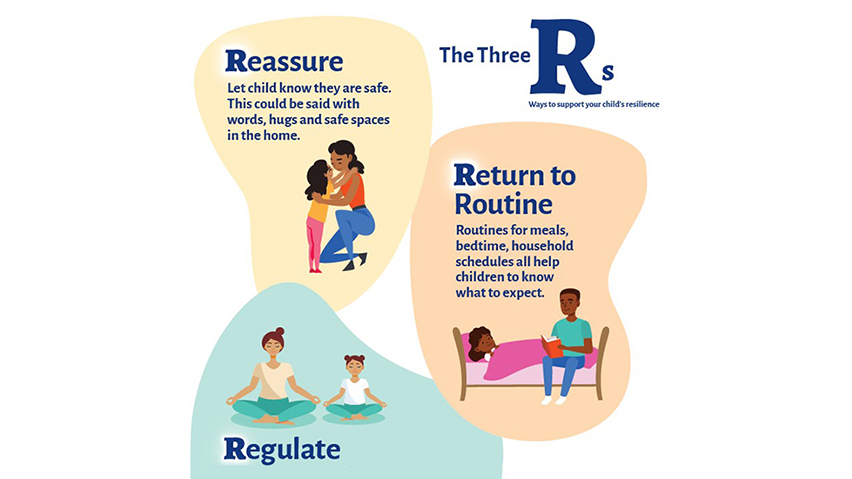
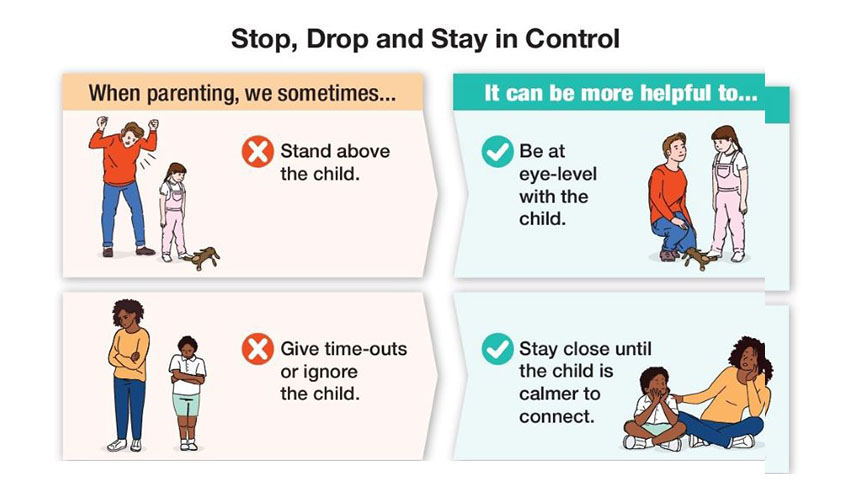
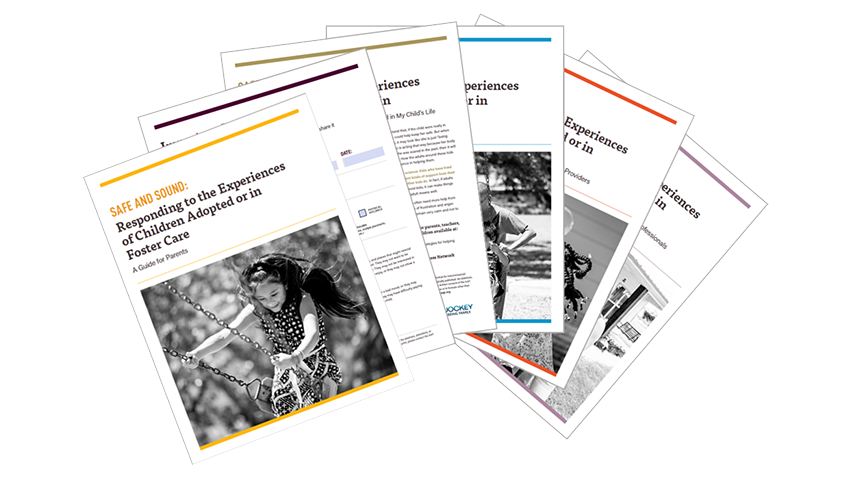
It is important for families to understand that trauma and toxic stress can be prevented, and recovery is possible if trauma has occurred. Share resources such as infographics, articles and parenting tips, available in English and Spanish, to empower families with strategies for building resilience.






Partnerships and Programs
Chapter Partnerships to Advance Trauma-Informed Care
Learn more about how AAP chapters are supporting trauma-informed pediatric care within their states and communities.
Trauma-Informed Care Champions
The AAP Trauma-Informed Care Champion program trains pediatricians across the United States to provide education and support to their peers related to providing trauma-informed care for all children and families.
Communications and Media
These tools provide additional information about trauma-informed care and related concepts.
Practicing Trauma-informed Care in Pediatric Settings
Stress and the Healing Power of Connection
The Power of Relationships in Pediatric Care: Uncovering Trauma & Adversity
Stay Up-To-Date on New Resources
The National Center for Relational Health and Trauma-Informed Care team is continuously working on developing new resources. Sign up to be added to our bi-monthly newsletter to stay up-to-date on available resources, events and relevant updates regarding trauma-informed care and relational health.
Last Updated
02/11/2026
Source
American Academy of Pediatrics