Physical literacy is when kids have developed the skills, confidence, and love of movement to be physically active for life. ​

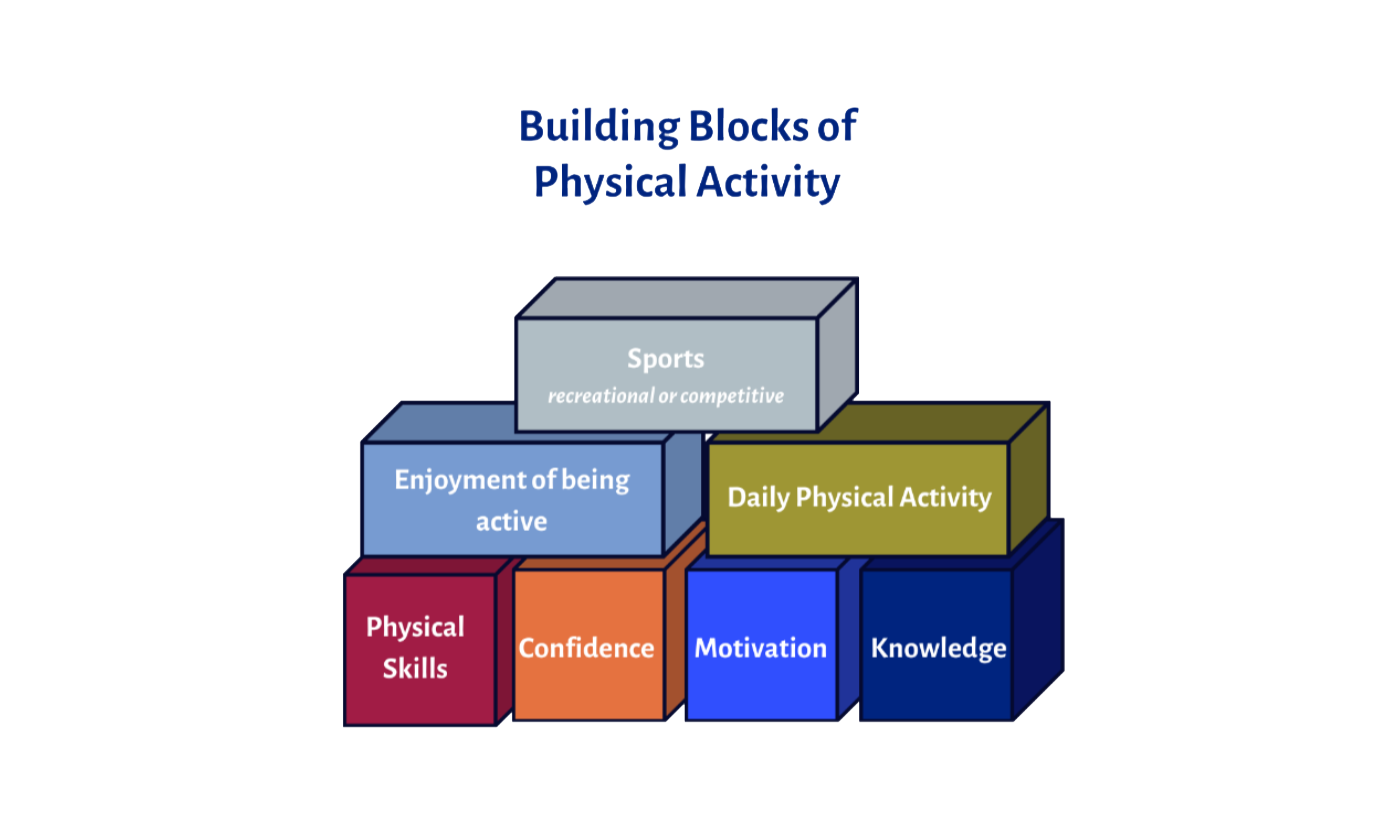
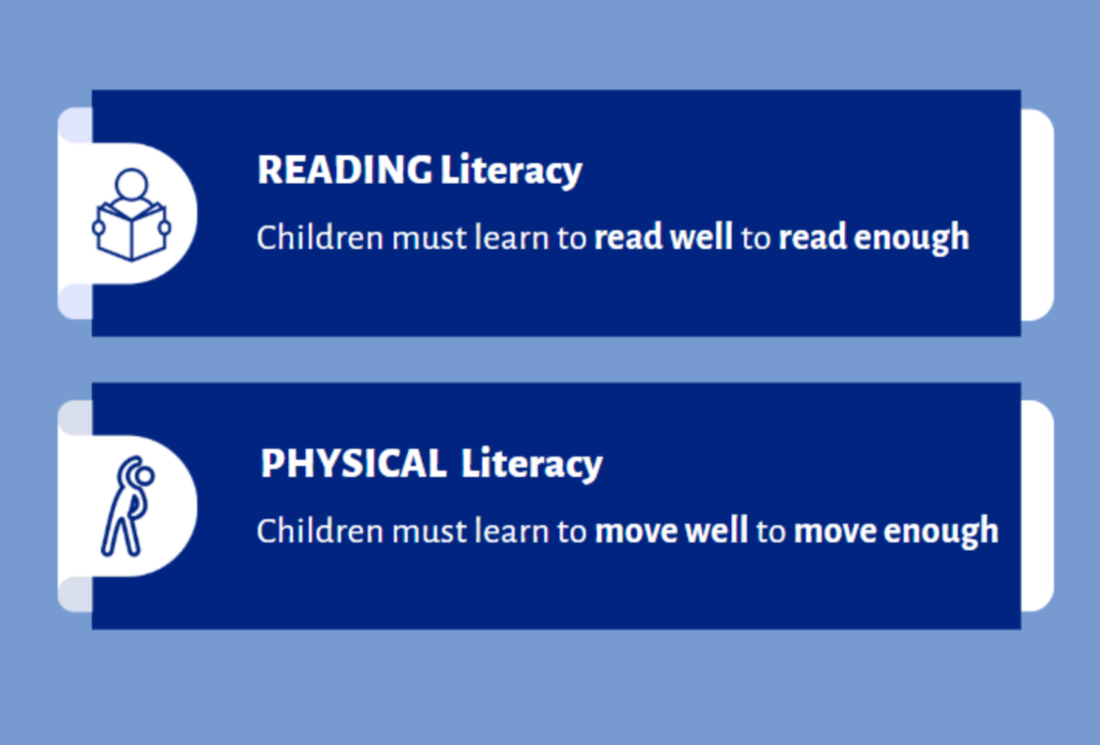
Kids need to develop these building blocks to move well.  “Moving well” does NOT mean building high levels of athletic skill but rather optimizing each child’s ability to develop sufficient strength and motor skill to enjoy active play with peers and family. If we do not move well, it can be hard to move often. Think of physical literacy as the foundation of movement for life.   

Here you will find resources that help you screen for physical literacy gaps in your office and how to help kids improve their physical literacy skills. 

Children need the two levels of foundation to help them be able to be active in life to stay healthy.  

Not all children will want to be involved in "sports" specifically, but all children should have the foundation and find ways to enjoy being active. 

The third layer of sports is hard to do well (without injuries or difficulty) if the two layers of foundation are not strong. Even kids who are very active in sports can sometimes benefit from work to help build a stronger foundation of movement to prevent injuries and help them play their sport well.  

“Physical Literacy is when kids have developed the skills, confidence, and love of movement to be physically active for life.” Learn more.
Discussing Physical Literacy with Patients and Families

Here you will find scripting ideas of how to explain the concept of physical literacy and discuss physical literacy with your patients.  

Physical literacy is the foundation of movement for life. It is the building blocks that help us move well so we can move often. 


We need to play and be active through our lives to help develop strong physical literacy skills. If you think you may need help with physical literacy skills, let’s come up with a plan together to start today!

Ways to start the conversation/identify ways to help improve physical literacy and physical activity:

When you think about moving your body around and playing, what types of activities are most fun for you? What do you like about that activity? 

  • Could you tell me about some of the activities your family does and enjoys? 
  • Do your parents play active, fun games with you? 
  • What do you think would help you move/play more? 
  • Are there things that don’t feel good when you move your body? 
  • Do you feel confident when you move your body? 
  • Would you like to learn more about the importance of moving your body? 
  • Would you be interested in finding new ways to move your body? 
  • Let’s come up with a goal that you think you can achieve before your next follow up visit. This goal will be a step toward greater movement and a healthier you!
Last Updated

07/22/2026

Source

American Academy of Pediatrics