
Vector-borne diseases (VBDs) have been increasing across the United States. Transmitted through the bites of mosquitoes, ticks, and other insects, these diseases can cause serious health problems for those affected. Learn more and access important resources below.
Vector-Borne Disease Overview
Vector-borne diseases (VBDs) are illnesses spread to people through the bites of infected mosquitoes, ticks, and other insects. These diseases are an increasing public health concern in the United States, with cases rising in recent years. VBDs affect people across the lifespan, and children may be at increased risk due to exposure during outdoor play and activities.
VBDs can range from mild illness to severe, life-threatening conditions. Early symptoms are often non-specific and may include fever, headache, fatigue, rash, or body aches. In more serious cases, infections can lead to complications such as neurologic involvement, organ dysfunction or other long-term health effects. During pregnancy, vector-borne diseases can increase the risk of serious complications, including birth defects, preterm birth, and poor health outcomes for both parent and baby. Prevention, early detection and timely management can significantly improve outcomes.
The most effective way to reduce the risk of VBDs is to prevent bites and limit exposure to vectors. Pediatricians can help families reduce exposure by counseling families on:
- EPA-approved insect repellents appropriate for children
- Use of protective clothing (long sleeves and pants) during outdoor activities
- Routine tick checks after outdoor exposure
- Environmental control measures, including eliminating standing water around the home
Professional Tools and Resources

Insect Repellents
Explore expert guidelines on choosing insect repellents for children.

Vector-Borne Diseases Potpourri
Understand the impact of vector-borne diseases on pediatric health.
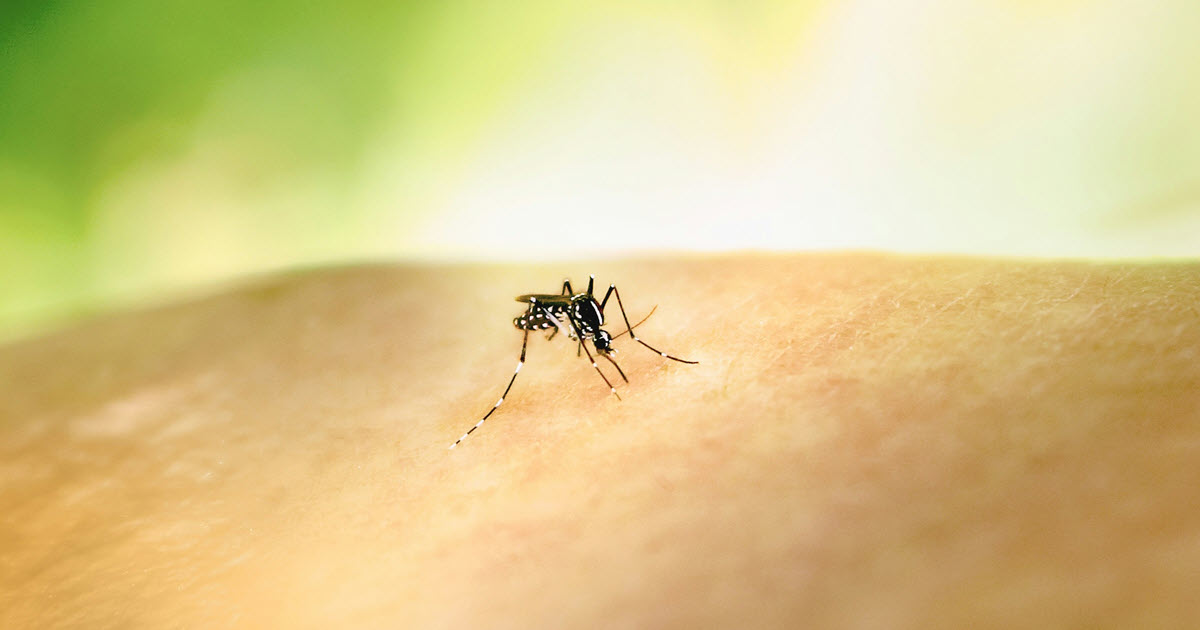
Mosquito-borne Diseases
Learn about the challenges posed by mosquito-borne diseases in children.
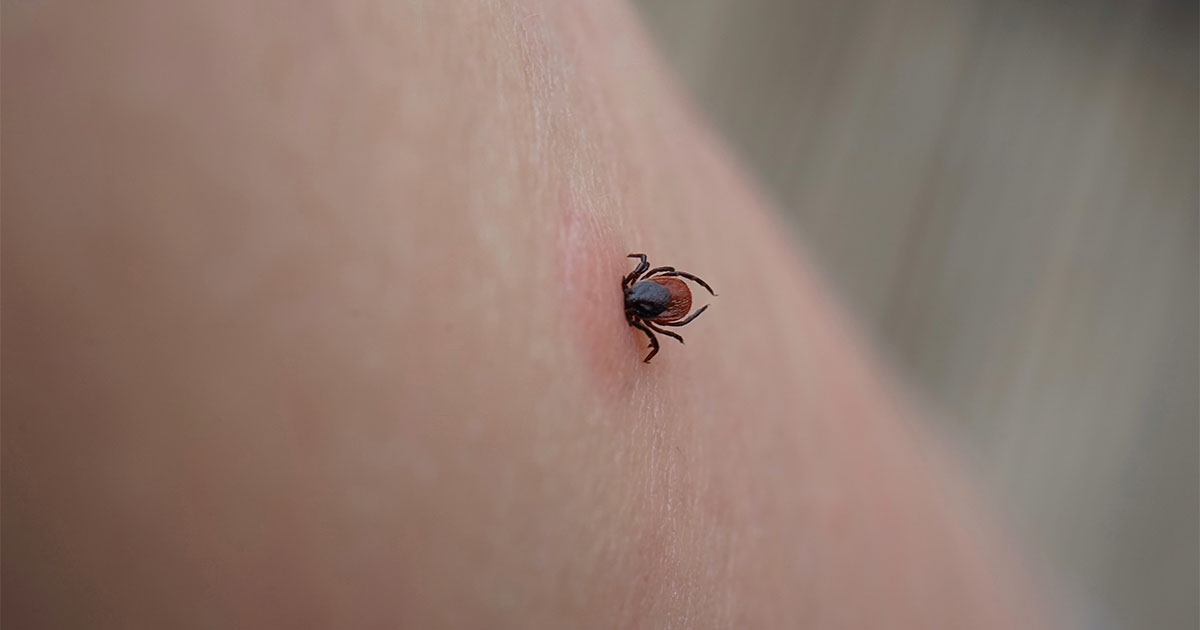
Tickborne Diseases in Children in the United States
Explore the impact of tickborne diseases on children in the U.S. This article provides essential insights for pediatricians and caregivers alike.
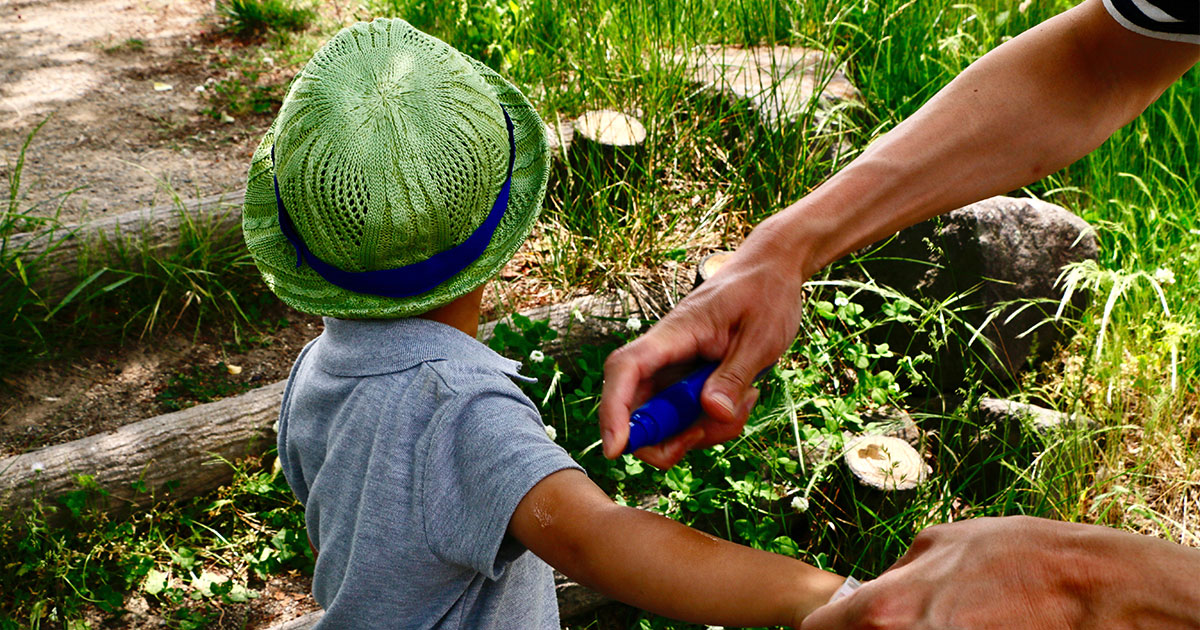
Dengue
Learn about dengue fever, its causes, symptoms, and effective prevention strategies.
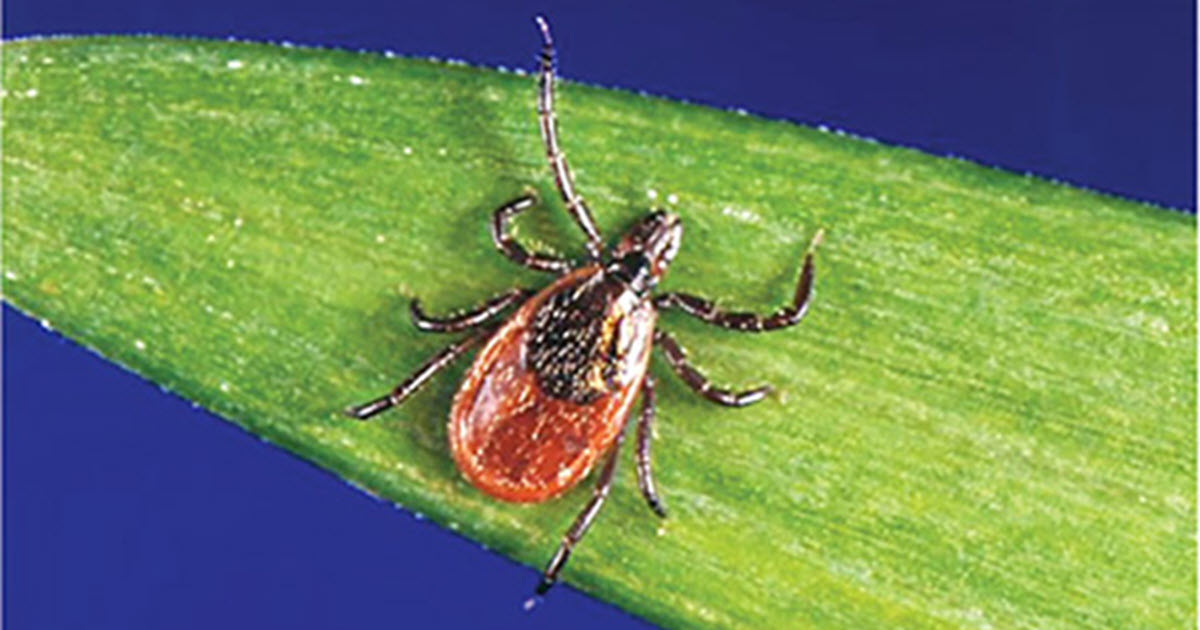
CDC: ED visits for tick bites highest in a decade
This AAP News article highlights regional trends, affected age groups, and public health concerns about increasing tick exposure and the risk of tick-borne diseases such as Lyme disease.

Red Book Vector-Borne Disease Resources
The Red Book: 2024–2027 Report of the Committee on Infectious Diseases is a comprehensive reference from the American Academy of Pediatrics that provides up-to-date guidance on the prevention, diagnosis, and treatment of pediatric infectious diseases.
Partner Vector-Borne Disease Resources
CDC
Centers for Disease Control and Prevention
Official CDC website providing reliable public health information, disease prevention guidance, outbreak updates, health resources, and scientific research for the United States.
PMC
Vector-borne diseases in pregnancy
Explore the impact of vector-borne diseases during pregnancy, including illnesses transmitted by mosquitoes, ticks, fleas, and other insects.
WHO
Vector-borne diseases
This World Health Organization fact sheet explains the global impact of these diseases, common examples, risk factors, prevention strategies, and efforts to control their spread and protect public health.
NACCHO
Vector Control
This NACCHO resource highlights the role of local health departments in monitoring vector populations, implementing control strategies, and protecting communities from vector-borne health threats.
US EPA
Repellents: Protection against Mosquitoes, Ticks and Other Arthropods
This U.S. Environmental Protection Agency resource provides information on EPA-registered repellents, active ingredients, protection against mosquitoes and ticks, and tips for selecting products that help prevent insect bites and vector-borne diseases.
NPIC
National Pesticide Information Center
The National Pesticide Information Center (NPIC) provides objective, science-based information about pesticides, pest management, and pesticide safety.
ACOG
Zika Virus and Pregnancy
Learn about the risks of Zika virus infection during pregnancy and how to protect yourself and your baby.
Family Vector-Borne Disease Resources: Healthy Children
How to Choose an Insect Repellent for Your Child
Learn how to choose safe and effective insect repellents for children.
6 Diseases Spread by Mosquitoes & Ticks: Information for Families
Learn about common diseases spread by insects and other biting pests, including mosquitoes, ticks, and fleas.
How to Remove A Tick
This guide provides step-by-step instructions for tick removal, explains what to do after a tick bite, and outlines signs of tick-borne illnesses to watch for, helping families reduce the risk of infection and complications.
Dengue Vaccine & Kids: FAQs for Families Who Live Where Dengue Disease Commonly Spreads
Get answers to common questions about the dengue vaccine for children living in areas where dengue is common.
How Climate Change Can Make Children Sick: What Parents Need to Know
Learn how climate change can affect children's health and well-being.
Last Updated
06/10/2026
Source
American Academy of Pediatrics