
The medical home is an approach to providing comprehensive primary care that facilitates partnerships among patients, families, clinicians and healthcare staff. Extending beyond the four walls of a clinical practice, this approach to care serves as a foundation for coordinated, family-centered care before, during and after disasters by supporting emergency planning, continuity of care and the timely restoration of routine services following disruptions.
Explore the tools and resources below to help practices, staff, patients and families prepare for emergencies, disasters and public health crises.
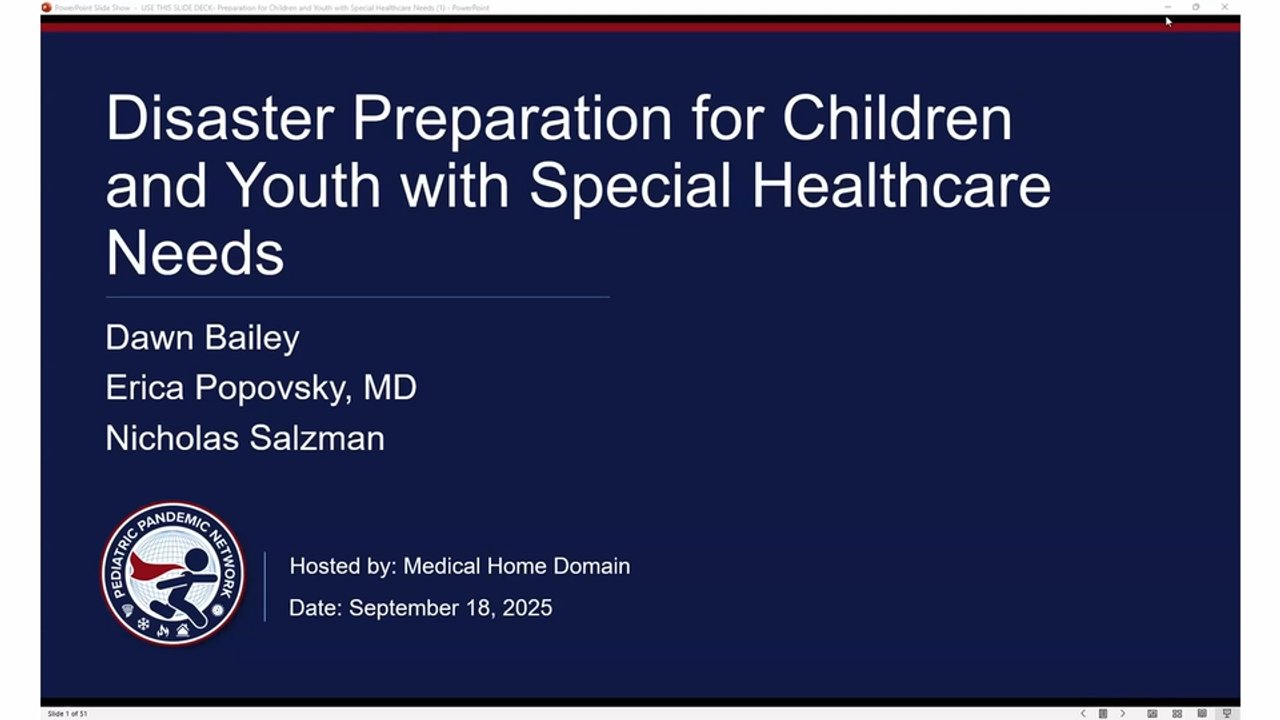
Medical Home Preparedness Video Learning Series
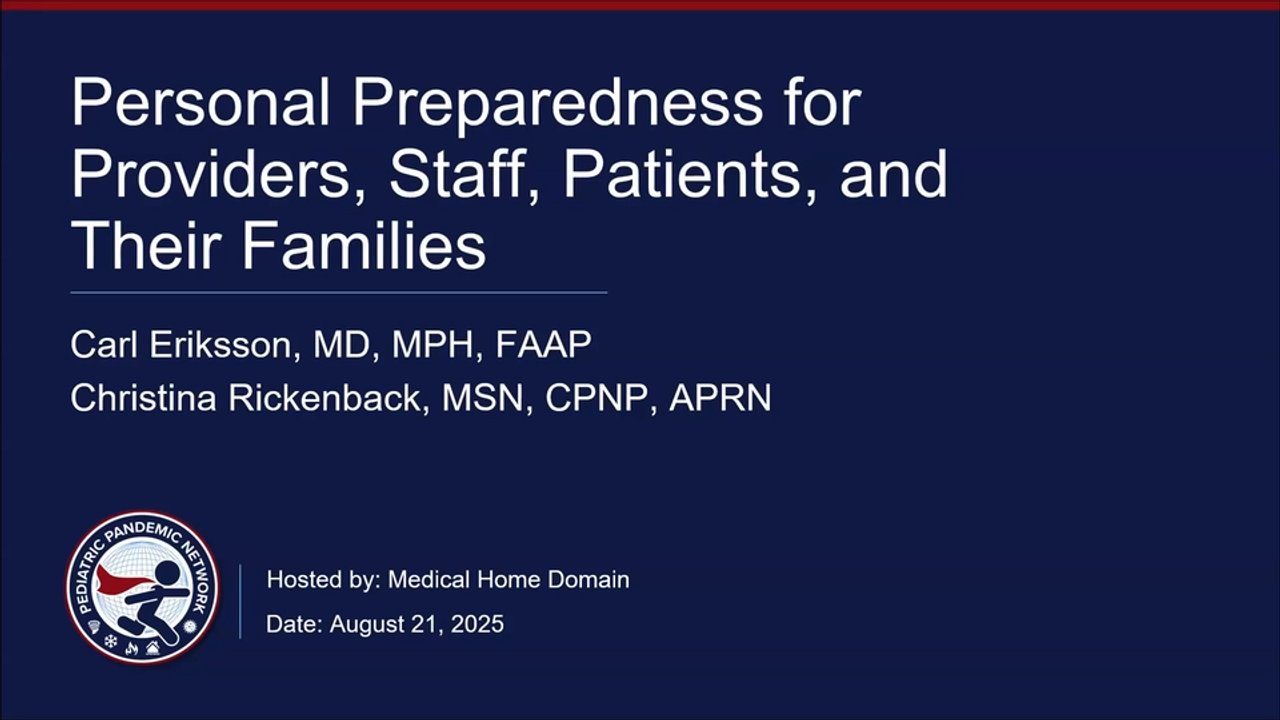
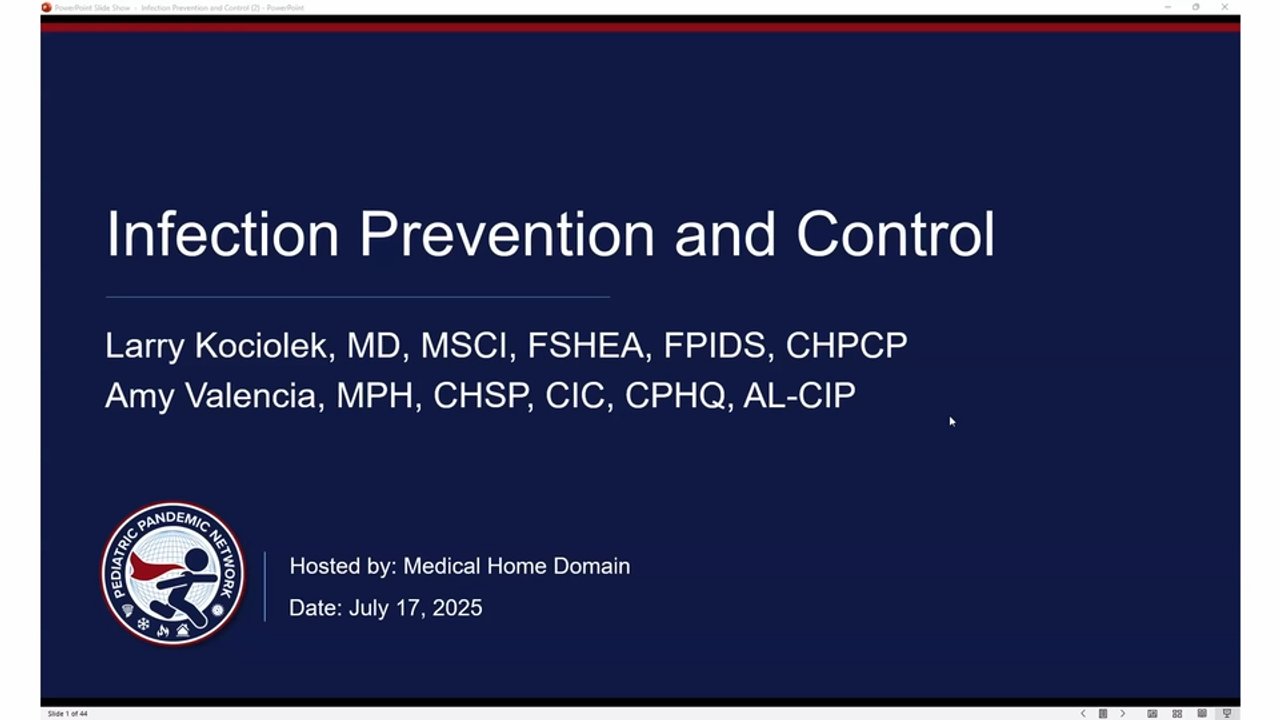
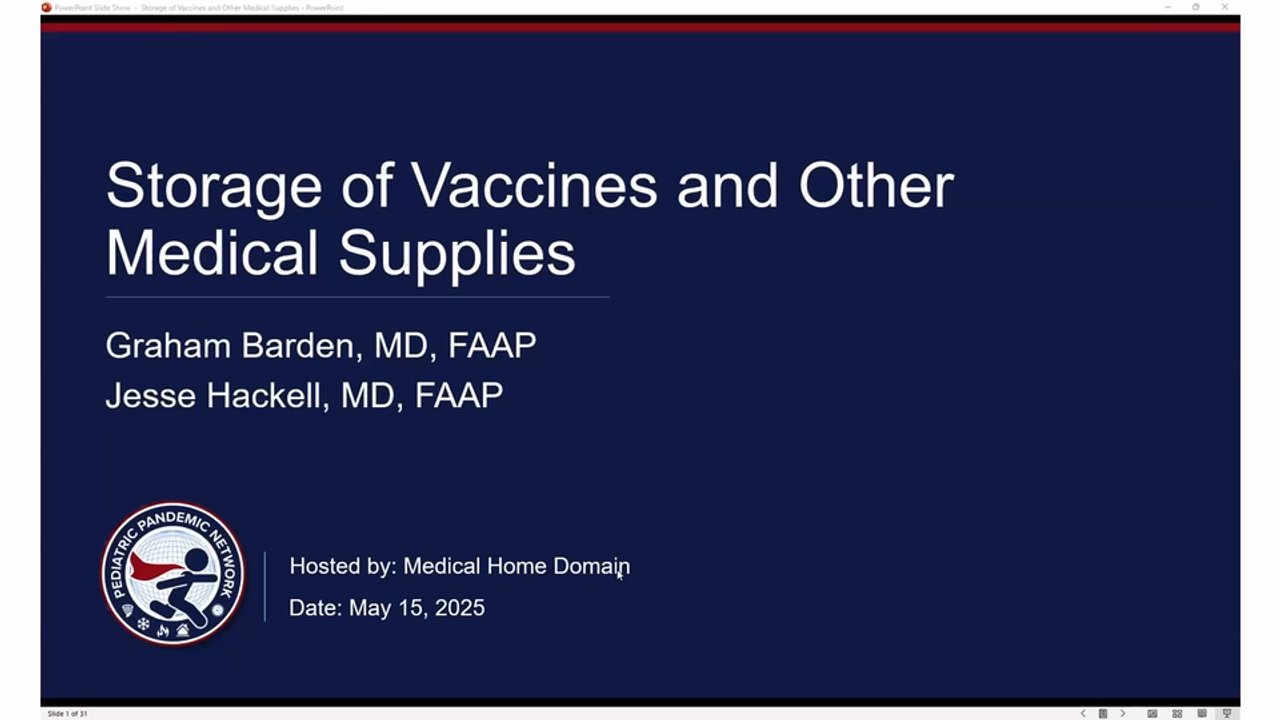
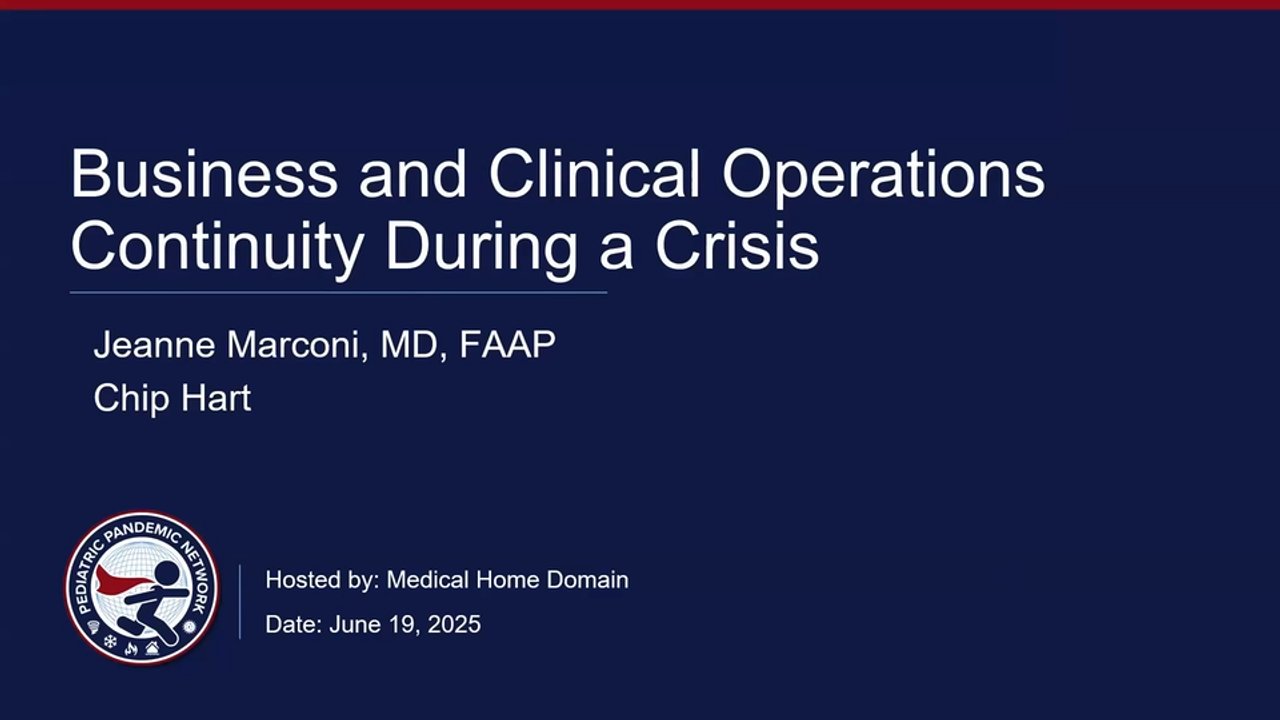
The Medical Home Preparedness Video Learning Series provides practical strategies for pediatricians to prepare their practices, staff, patients, and families for emergencies, disasters, and public health crises. Topics include vaccine and supply storage, continuity of operations, infection prevention and control, personal preparedness, and caring for children and youth with special health care needs.
After completing all five sessions, participants should be able to:
- Develop and support personal and organizational preparedness plans.
- Protect vaccines, medications, and critical medical supplies during emergencies.
- Implement infection prevention and control measures during routine operations and crises.
- Maintain essential business and clinical functions during disruptive events.
- Ensure continuity of care for children and youth with special healthcare needs during disasters and public health emergencies.
After viewing the session explore resources:
Downloadable Social Media Graphics
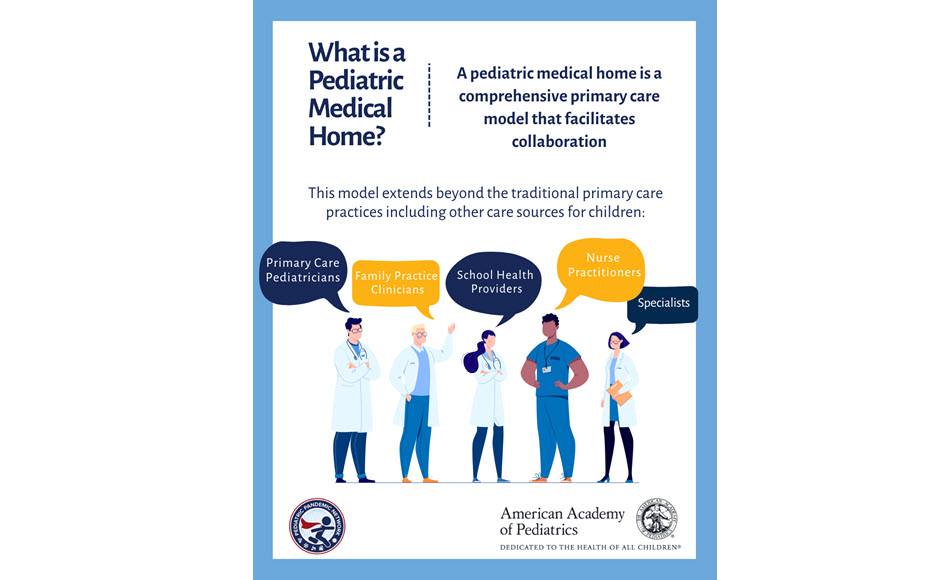
What is a Pediatric Medical Home
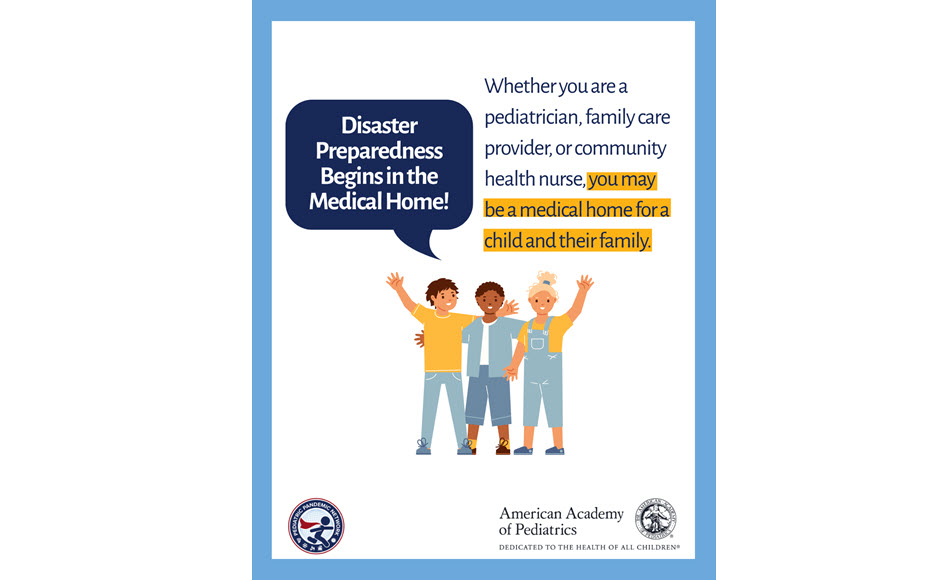
Disaster Preparedness Begins in the Medical Home
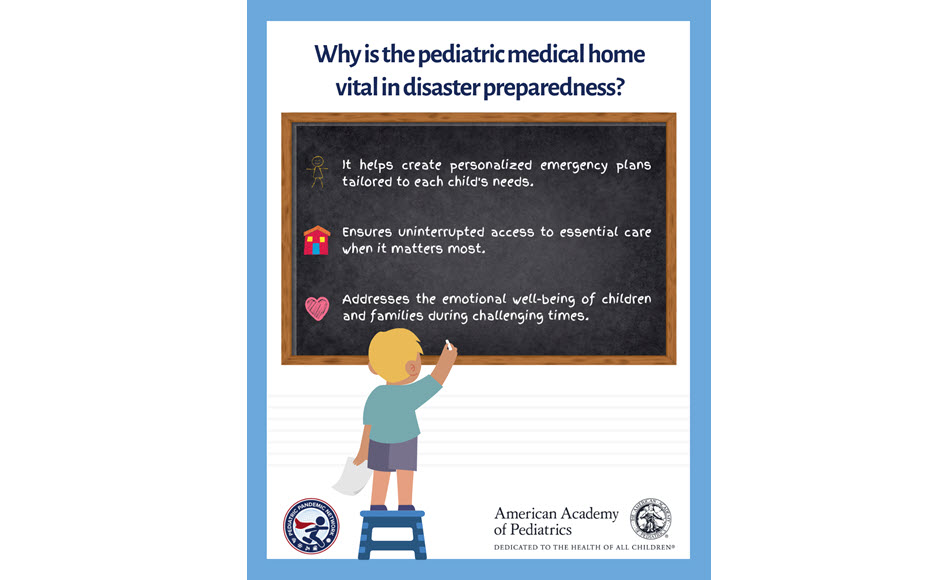
Why is the Pediatric Medical Home Vital in Disaster Preparedness
Partner Resources
Pediatric Preparedness Network (PPN)
Federal Emergency Management Agency (FEMA)
Centers for Disease Control (CDC)
Resources for Families
Disasters and Your Family: Be Prepared
Learn how to get your family disaster-ready with practical tips on emergency preparedness, evacuation planning, disaster kits and keeping children safe during emergencies.
How to Build a Disaster Emergency Kit or "Go Bag" for Your Family
Learn how to build a family disaster emergency kit with essential supplies, emergency planning tips and preparedness guidance to help keep children safe during a crisis.
Reuniting With Your Child After a Disaster: 10 Planning Tips
Learn how to prepare for family reunification after a disaster with practical tips on emergency planning, school reunification procedures and helping children stay safe during crises.
This project is supported by the Pediatric Pandemic Network which is supported in part by the Health Resources and Services Administration (HRSA) of the U.S. Department of Health and Human Services (HHS) as part of cooperative agreements U1IMC43532 and U1IMC45814 with 0 percent financed with nongovernmental sources. The contents are those of the author(s) and do not necessarily represent the official views of, nor an endorsement by, American Academy of Pediatrics, HRSA, HHS, or the U.S. Government. For more information, visit HRSA.gov.
Last Updated
09/01/2026
Source
American Academy of Pediatrics