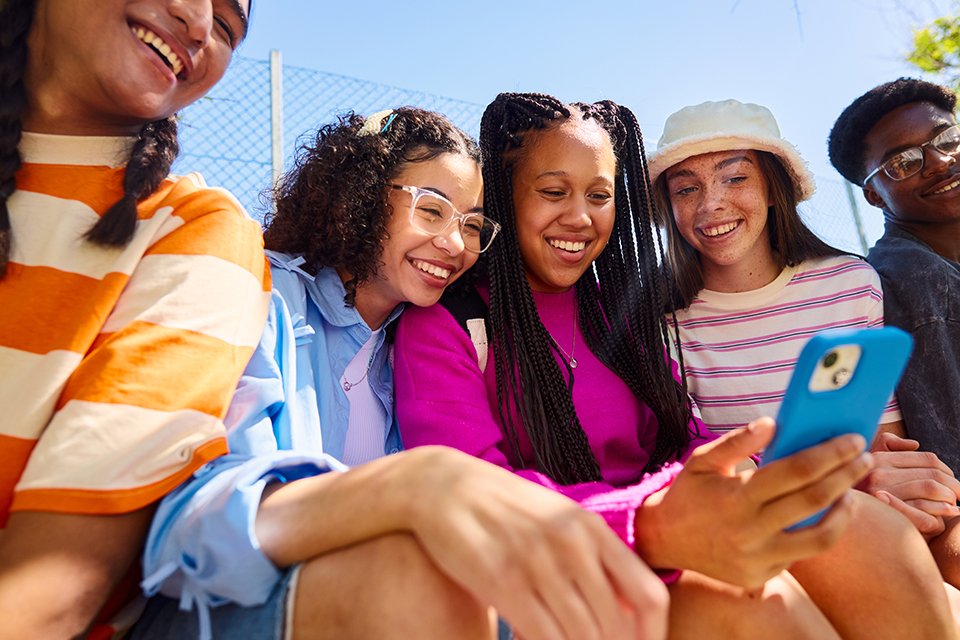
Question: So many images girls (and boys) see on social, or in selfies they share, are manipulated to make them look more "perfect", with digital altering that can change the body, put (more) makeup on and change the face, etc. While this perpetuates unrealistic beauty standards, girls seem to enjoy looking at and creating these images. What can parents and educators do, if anything, to change this?
Answer: During adolescence, it is common for all teens to become more aware of their appearance and to have increased concerns about body image. Social media can intensify these concerns by exposing teens to carefully curated, edited, or filtered images of friends, peers, influencers, and celebrities. Comparing themselves to these images may contribute to body dissatisfaction, lower self-esteem, and a more negative view of their appearance.
Taking and sharing selfies is not inherently unhealthy and can be a normal way for adolescents to express themselves, connect with others, and explore their identity. However, when self-worth becomes tied to appearance, online feedback or the use of filters and editing tools to enhance attractiveness, social media use may contribute to poorer body image and well-being.
Research suggests that frequent use of appearance-enhancing filters may be associated with greater dissatisfaction with facial features, skin, hair, and overall appearance. Similarly, using body-altering filters that make the body appear thinner has been linked to more negative body image and a stronger desire to lose weight. One reason may be that young people begin comparing their real appearance to edited versions of themselves, creating unrealistic expectations.
What Parents Can Do:
- The 5 Cs of Media Use outlines 5 important aspects of healthy digital media use: Child, Content, Calm, Crowding Out, and Communication. The Communication C encourages parents to have frequent conversations about media use and take an active interest in your child’s social media experiences. When appropriate, explore content together and create opportunities for open, nonjudgmental conversations about what they see online.
- Example comment: “I heard about this trend in photos; can you show me what you are seeing on Instagram?”
- Be supportive of your adolescent’s identity and body by using positive messages and have discussions about what's real and not real online.
- Example comment: “When you see photos like this, how do they make you feel? What do you think about how this person is presenting themselves online?”
- Be thoughtful about the way you talk about your own appearance within photos and how you react to others’ appearance in photos, emphasizing what our bodies allow us to do rather than how they look.
- Example comment: “Look at this picture of us after we did that long walk in the park, we look so happy and strong!”
- Encourage social media activities that promote identity exploration, building and maintaining friendships, and expressing oneself in creative ways.
- Example comment: “I love seeing all the ways you show different aspects of your interests and experiences on your platform!”
- Check out these additional articles:
- Healthy Children Article: Social Media, Body Image & Self-Esteem: What’s the Connection?
- New York Times – What Students Are Saying About How Social Media Affects Their Body Image.
What Educators Can Do:
- Help students recognize and critically evaluate unrealistic beauty standards and appearance ideals commonly portrayed online. Encourage them to question how images may have been edited, filtered, or curated before comparing themselves to others.
- Incorporate activities that promote mindfulness, self-compassion, and reflection on how social media affects emotions, body image, and overall well-being.
- Check out these additional resources:
- Common Sense Media has within its Digital Citizenship Curriculum – Digital Footprint & Identity Lessons.
- Dove’s Confident Me Self-Esteem Workshops are a set of 6 evidence-based mini-lessons about self-esteem designed to be taught in schools for youth 11-14 years old.
References:
- Caravelli, N. S., Henriksen, H. A., & Blashill, A. J. (2025). Associations between TikTok facial filter use and body image variables. Body Image, 53, 101877.
- Felig, R. N., & Goldenberg, J. L. (2023). Selfie-Evaluation: A Meta-Analysis of the Relationship Between Selfie Behaviors and Self-Evaluations. Personality and Social Psychology Bulletin.
- Schroeder, M., & Behm-Morawitz, E. (2025). Digitally curated beauty: The impact of slimming beauty filters on body image, weight loss desire, self-objectification, and anti-fat attitudes. Computers in Human Behavior, 165, 108519.
Age: Adolescent
Topics: Body image, filters, digital altering, selfie
Role: Parent/Caregivers and Educators
Submit a New Question
Have additional questions after reading this response? Or have any other questions about social media and youth mental health? Submit your own question to be answered by our expert team. Your answer will then be added to our Q&A Portal library to help others with similar questions.
Last Updated
10/19/2026
Source
American Academy of Pediatrics