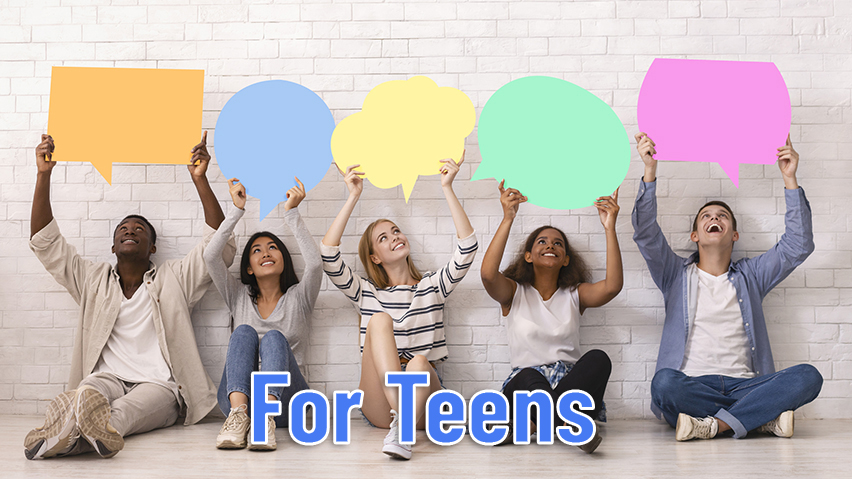
Want to talk about how social media affects mental health?

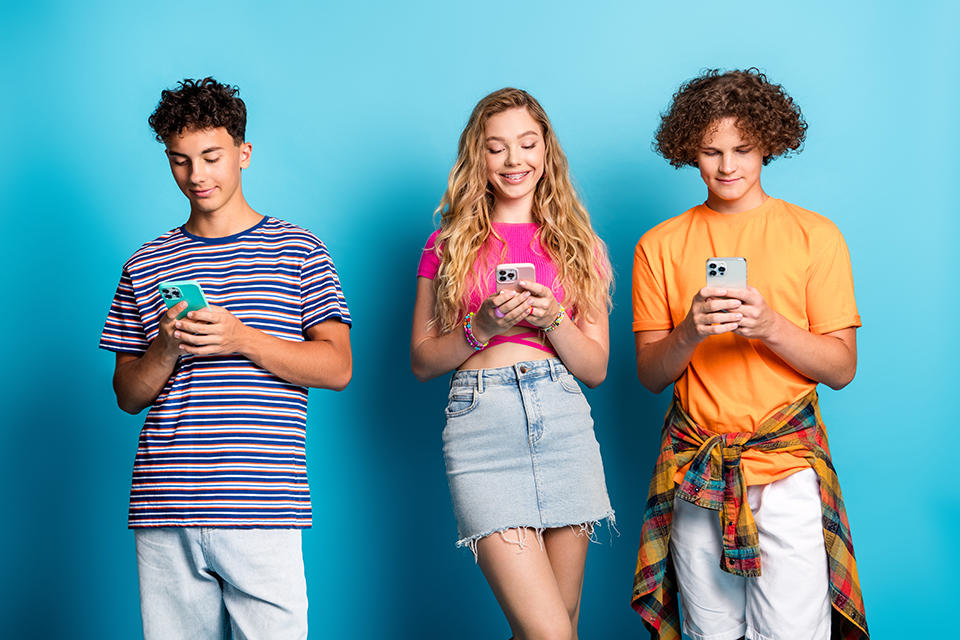
The Center of Excellence on Social Media and Youth Mental Health (CoE) presents Beyond the Likes: Social Media, Mental Health, and You 2026 Virtual Youth Forum. This interactive event for teens (ages 14-19) will empower young people to navigate the digital world with confidence, engage in meaningful conversations with peers and experts and gain practical tools for managing their digital lives. Earn a Certificate of Completion and get a chance to win prizes! Learn more below and register today!
Register Now

Join Beyond the Likes Virtual Youth Forum!

Looking for a space to share your experiences and connect with other teens?

Join the Center of Excellence on Social Media and Youth Mental Health for Beyond the Likes: Social Media, Mental Health, and You—a fun, interactive, virtual event all about social media’s impact on the lives of teens. 


What to Expect: 

  • Real Conversations – Share your experiences and hear from other youth about how social media affects mental health. 
  • Engaging Activities – Participate in interactive discussions, breakout sessions, and Q&A panels. 
  • Networking & Connections – Connect with peers, non-profit and university researchers, and industry representatives. 
  • Media Literacy & Digital Well-being – Learn tools to manage your online experience and create healthier digital spaces. 
  • Prizes & Perks – Earn a Certificate of Completion and get a chance to win exciting prizes! 

Who Can Join? 

  • Middle school, high school, and college students from all backgrounds across the US. 

Date:  

  • Saturday, April 18, 2026, 11:00 AM - 2:00 PM (CT)  
 
Please Note: This event is for youth only. Don’t miss this opportunity to be part of the conversation and make an impact. Register today! 

Register Now

Learn More About the Center of Excellence

Information about the CoE

Center of Excellence on Social Media and Youth Mental Health
The Virtual Youth Forum is an event hosted by the Center of Excellence on Social Media and Youth Mental Health (CoE). The CoE, a subset of the American Academy of Pediatrics (AAP), is a trusted resource for evidence-based education and support to promote children’s and teens’ mental well-being in the digital age. By providing guidance and resources, the Center helps young people, caregivers, and professionals navigate social media in a way that fosters healthy relationships, development, and a positive online experience.
Meet the CoE Youth Advisory Panel
Involving youth in the discussions and solutions around social media and youth mental health is a key aspect of the work that we do. The CoE Youth Advisory Panel (YAP) is made up of 24 diverse youth, ages 14 to 19, from across the country. Their input informs how the CoE creates messages, resources, and tools that are useful for teens and for parents, teachers, clinicians, and others. By working closely with the YAP, the CoE ensures that our activities and resources are centered around what youth need and want.

Helpful Resources

Video Tips for Teens

These video resources, developed by the CoE, provide helpful tips for teens about managing social media and ensuring a proper night's sleep. 

Social Media & Youth Mental Health Q&A Portal For Teens

Our Social Media & Youth Mental Health Question & Answer Portal is a collection of submitted questions from teens, educators, parents/caregivers, behavioral health professionals and clinicians, and other members of the general public on social media and youth mental wellbeing. Each submitted question has an evidence-based response from our expert team. Check out our "For Teens" page or view some of our teen-submitted questions below.

View "For Teens" Page

Featured Q&A Portal Questions

Check out some of our teen-submitted Q&A Portal questions

Effects of Screen Time on Academic Performance and Mental Health

Question: What are common effects of excessive screen time on students’ academic performance and mental health?

Answer: It’s hard to determine the direct effects of screen time on students’ academic performance and mental health for a few reasons. The definition of “screen time” is highly debated and hard for researchers to measure. Read the rest of this answer here.

Social Media and Youth Mental Health Q&A Portal

|

July 23, 2025

Identifying Mis- and Disinformation

Question: How do you identify sources of mis- and disinformation on social media?

Answer: What are mis- and disinformation? Misinformation refers to inaccurate or false information, while disinformation refers to false information that is intentionally not true. As the JED Foundation puts it: “misinformation is mistaken info, whereas disinformation is deliberately false.” Read the rest of this answer here.

Social Media and Youth Mental Health Q&A Portal

|

December 6, 2024

Managing Content on Social Media Feeds

Question: What are some ways for youth to control what they see on social media? (algorithm, settings, etc.)

Answer: Sometimes the content in our social media feeds can feel overwhelming and confusing, especially when you see content that is upsetting, scary, gross, or unwanted. Since each platform has different settings and controls, it can feel daunting to try to manage it all. Read the rest of this answer here

Social Media and Youth Mental Health Q&A Portal

|

June 6, 2024


Funding for the Center of Excellence was made possible by Grant No. SM087180 from SAMHSA of the US Department of Health and Human Services (HHS). The contents are those of the author(s) and do not necessarily represent the official views of, nor an endorsement by, SAMHSA/HHS or the US Government.

Last Updated

03/16/2026

Source

American Academy of Pediatrics