My First Experience as a Physician Champion in an AAP Collaborative
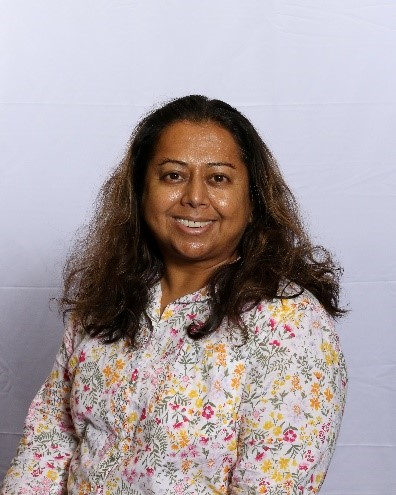
Sheela Rao, MD, MPH, FAAP
July 22, 2025
I recall vividly pre-pandemic when a parent expressed her shock and disappointment after learning that her daughter had been caught with cannabis gummies at school. I felt helpless and ill-equipped to support her and her daughter in discussing how to best work through the issue.
In February 2024, I came across an email announcing that the Transformative & Evidence-based Approaches to Mental health & Substance use Screening (TEAMSS) collaborative was seeking practices interested in a national project designed to improve screening and treatment approaches for substance use disorder and other mental health conditions. I jumped on the chance to learn skills I could have used with my patient and her mother. Today, based on my experience - I encourage others to do the same if given the opportunity.
Here are some of the questions that came up and the lessons our team learned.
Who should be a part of our project team? It can be difficult to plan these projects as win-win situations for everyone involved, particularly for staff and registered nurse coordinators who do not get the same amount of time allocated for quality improvement. Over the 11 months of the project, a steadfast core of 10 physicians and a few registered nurses provided intermittent recommendations.
A personal challenge that I encountered was mastering the technology. I encourage every pediatrician to figure out what shortcuts exist in your electronic health record to make data entry easier. Our process leaders let us know that we did not need to be exhaustive while entering data. Charts vary by patient and can’t represent the entirety of patients as a monolith. When we review charts, we are just starting to track the small changes we are making to incorporate our new tools and change our flow.
More important was how each participant contextualized these tools to their clinic location and practice. Each pediatrician took the initiative to try new tools to improve care. One teammate created a new shortcut in the electronic health record to remind him of the phrasing of the screening tools. Another peer followed the paper trail of questionnaires that our teen patients completed at check-in. They shared their successes and failures in implementing these changes.
Once we began implementing the new protocol, some parents were surprised that medical assistants were taking a moment to screen teens, even if they were neurodivergent or had intellectual disabilities. We found that communicating with families about the increased prevalence of mental health conditions like anxiety and depression helped them understand the need for increased screening measures, regardless of the presence of neurodevelopmental disabilities or neurodiversity.
We explored collectively whether we could modify the team member workflows, such as front desk staff or medical assistants who were already administering screenings for depression. We also acknowledged our project’s limitations and realized our office would need cross-training to help everyone use mental health screening tools effectively.
The pace of changing culture contrasted significantly over the project’s 11-month course as we worked to improve our screening process. We needed to invest more time to help justify allocating resources to screening for mental health conditions. Now that we had identified some patients who screened positive for substance use disorder, we could see that our referral system must remain fresh.
As my colleagues were nearing the project’s end, I noticed that they were venturing out and building upon what they’d learned. One of my colleagues planned an educational session led by a substance use disorder counselor to teach us how to engage patients with such disorders. Another colleague has started a novel clinical model to take patients off the waitlist for developmental behavioral pediatricians and provide resources in the interim. Everyone found ways to exercise their self-agency skills after being a part of the project.
Today, when a patient comes into my exam room now for a well visit, I look for opportunities to screen and share resources for mental health. I enjoy exploring ways that they can reduce harm for themselves when they do disclose substance use.
When I use tools to screen for anxiety, depression, and suicide risk, I try to empower my patients to share my resources with their friends and people they know are struggling.
With these small actions, we hope that the project continues to have a ripple effect.
I have not seen that girl or her mother since 2021 but if she walked into my exam room today, I feel confident that I have the tools and training I need to best care for her. I would screen her for depression, anxiety, and suicide risk, ask about the pros and cons of her substance use and gauge her level of interest in quitting or reducing it. I would stay in a space of curiosity and explore with both the patient and caregiver what are some of the things going on in her life that led her to start using cannabis. I would also find out what next steps they would like to take together and encourage her to come back for another visit with me. If you are new to quality improvement projects, don’t be deterred from signing up when these calls come out. Our clinical practice has benefited in numerous ways that I can’t begin to flesh out entirely. For those who have the bandwidth to put in a little time to brainstorm, you can reap benefits far beyond what you envision.
The TEAMSS project was supported by a grant from Elevance Health Foundation. To learn more about the collaborative, please visit this site.
*The views expressed in this article are those of the author, and not necessarily those of the American Academy of Pediatrics.
About the Author
Sheela Rao, MD, MPH, FAAP
Sheela Rao is an Associate Professor of Clinical Pediatrics in the Division of General Pediatrics at Children’s Hospital of Los Angeles. She has been a co-director for Quality Improvement in the Division of General Pediatrics since 2023. She supervises medical students, pediatric and family medicine residents, and nurse practitioners in the AltaMed FQHC setting. She also works in the interdisciplinary CHLA Foster Hub clinic where pediatricians join with psychologists to complete initial health assessments of children entering the child protective service system, and she has published on her team’s efforts to disseminate trauma-informed care to children traversing through the Los Angeles Department of Child and Family Service system. She has been recently appointed to be the Education Chair for the Executive Committee of the American Academy of Pediatrics Section on Epidemiology and Public Health Evidence (SOEPHE). She has been a member of the Executive Committee of SOEPHE since 2023.