Pediatricians Shouldn’t Have to Become Parents to Learn Lactation Care
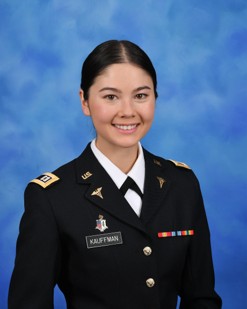
Karina Kauffman Brown, MD
November 4, 2026
My final year of residency was a busy one: I had completed my medical training and also became a first-time mother. Like many other first-time mothers, I had some difficulties with breastfeeding.
Breastfeeding was not an abstract health recommendation to me. It was intimate, deeply personal, and exclusive breastfeeding was a goal I had chosen for myself.
The journey began with a painful, difficult latch and I needed extensive hands-on support. This experience brought me back to a mother I met during my second year of residency. She was there on her first clinic visit post birth and told me her baby would latch to the left breast but not to the right. The mother had been hand expressing and pumping from the right, but that method wasn’t sustainable.
Despite my training up to that point, I felt unprepared to help her in that moment. I understood how to medically examine the child but not how to address the mother’s concerns or help the baby latch. Luckily, a nurse practitioner who was both one of my mentors and an International Board-Certified Lactation Consultant (IBCLC) had joined us. She was able to reposition the baby and demonstrated the "flipple" technique, explaining how to achieve a deeper latch.
When I looked up, I saw tears fill the mother’s eyes and her husband's shoulders relax as they both gazed at their son eating comfortably. An issue that had caused more than two days of worry was solved within minutes.
I felt relief initially but became unsettled upon further reflection. Without the IBCLC, I might have sent the family home medically reassured but no more confidently able to feed their baby than when they arrived.
Now in a similar position to that mother, I realized I had never understood how helpless it could feel when every latch brought pain and frustration. Even with medical knowledge and access to excellent support, the pain made me wonder whether I would be able to continue. Having someone observe a feed, reposition my baby, and help us in real time made all the difference in the world.
I began to understand how vulnerable it feels when a goal like this seems to be slipping away, and how much timely, expert help can matter. Parenthood did not make me a lactation expert. On the contrary, it made my existing knowledge gap visible.
After returning from maternity leave, I chose a lactation elective as my final residency rotation.
During that rotation, I learned that infant-feeding counseling begins not with a checklist or an assumption, but with listening: What are your feeding goals, what information would help you make an informed choice, and how can I support you? I learned to take a focused lactation history and assess positioning, latch, swallowing, and milk transfer during a complete feed. I practiced counseling about hand expression, pumping, breast discomfort, engorgement, milk transition, and returning to work. I learned to better help parents assess whether a directly breastfed infant was receiving enough without measuring intake volume.
Just as importantly, the rotation deepened my appreciation for the essential role of IBCLCs as expert members of the newborn care team. It helped me distinguish common lactation concerns I could address initially from those that called for an IBCLC's advanced hands-on assessment and support. These are teachable clinical skills that pediatricians should acquire through training, not parenthood, so that we can provide informed initial support when an IBCLC is not immediately available and collaborate more effectively when their advanced expertise is needed.
The American Academy of Pediatrics recommends exclusive breastfeeding for approximately 6 months and supports continued breastfeeding with complementary foods for 2 years or beyond, as mutually desired by parent and child. Its policy asks pediatricians to be knowledgeable about breastfeeding management, provide culturally congruent care, and incorporate observation of breastfeeding into routine practice. Yet initiation and continuation remain different challenges.
New parents often look to their pediatrician for reassurance and direction, giving our words unusual influence. When human milk feeding is part of a family's goals, our support should be visible and explicit, not merely implied. Formula may be the family's informed choice or medically indicated, but it should not become the default response to a breastfeeding challenge simply because hands-on lactation help is unavailable.
Barriers will likely remain as training alone cannot create paid parental leave, improve every workplace, or eliminate feeding pain and difficulty. However, it can prevent inadequate clinical support from becoming another barrier.
The AAP’s new policy addressing racial disparities in breastfeeding now identifies inadequacies in medical education and calls for standardized, culturally centered lactation curricula. It acknowledges that the gap is also an issue of equity. Having several clinicians with lactation expertise in my pediatric clinic was a tremendous resource, but it is not one every family can count on. Pediatricians cannot replace IBCLCs.
But telling a family to “see lactation” is not an adequate plan when that care is inaccessible. We do not need to add another mandatory rotation to an already demanding curriculum. The Accreditation Council for Graduate Medical Education provides such training and could promote consistency by recognizing basic lactation assessment and management as expected outcomes of pediatric training. Programs should seriously consider incorporating lactation objectives, supervised feeding encounters, and feedback into the newborn experience they already provide.
Programs also do not need to begin from scratch. The AAP has developed a breastfeeding curriculum organized around ACGME competencies, with patient-care objectives and tools for observing residents during real encounters.
My residency recognized the value of this training. As clinical responsibilities allowed, medical students and residents rotating through the newborn nursery could spend time with the inpatient lactation consultant for shadowing and bedside teaching. Residents, particularly those anticipating practice with limited specialist support, were also encouraged to complete a dedicated lactation elective. I completed the elective during my final residency rotation and left wishing I had done it sooner, when those skills could have informed many more of my encounters with families.
The family from my second year has stayed with me not because their concern was unusual, but because it represented so many similar encounters we have throughout residency. At nearly every newborn visit, when breastfeeding was part of a family’s feeding goals, questions about latch, milk supply, pain, pumping, and adequate intake were central to the conversation. These were not peripheral concerns; they were part of caring for the newborn and family.
My experience also showed me how quickly pediatricians can become better prepared. After only a few days of observation, supervised practice, and feedback, I could recognize problems and offer support that I previously could not. Parenthood made the importance of these skills impossible for me to overlook, but thoughtful residency education taught me how to help. My program demonstrated what is possible. Building similar opportunities into newborn training nationwide is an achievable next step that would better prepare pediatricians and better serve the families who already turn to us for help.
I would like to acknowledge and thank Monica Brannon, RN, IBCLC, for her compassionate lactation support during my experience as a new mother, her expertise and dedication as an educator for pediatric residents during the lactation rotation, and her thoughtful review, encouragement, and support in the development of this essay.
The views expressed are those of the author and do not reflect the official policy or position of National Capital Consortium Pediatrics Residency, Walter Reed National Military Medical Center, the Department of the Army, the Defense Health Agency, the Department of War, or the U.S. Government. There are no conflicts of interest or funding to disclose.
*The views expressed in this article are those of the author, and not necessarily those of the American Academy of Pediatrics.
About The Author
Karina Kauffman Brown, M.D., CPT, USA, MC
Karina Kauffman Brown, M.D., CPT, USA, MC is an active-duty U.S. Army pediatrician and recent graduate of the National Capital Consortium Pediatrics Residency in Bethesda, Maryland. She earned her undergraduate degree from Dartmouth College and her medical degree from the Uniformed Services University of the Health Sciences, and she now practices pediatrics at Walter Reed National Military Medical Center while continuing to teach USUHS medical students. Her professional interests include pediatric medical education, allergy and immunology, quality improvement, and cultivating collaborative, multidisciplinary workplace cultures. Her experience as a first-time mother helped shape this essay.