Primary Care Can Lead the Way in Pediatric Obesity Care
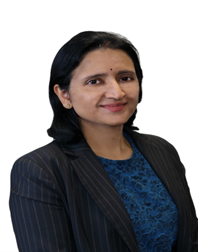
Venkata Sushma Chamarthi, MD, FAAP, DABOM
October 28, 2025
When I see children and teens for their well-child visits, I am often reminded how deeply obesity can impact every aspect of their health and lives. For many families, it is not an easy topic to discuss. The stigma attached to obesity can be debilitating but addressing it directly and compassionately is one of the most important steps we can take as pediatricians.
I think of one of my patients, a 14-year-old girl whose story continues to inspire me. With steady guidance, family support, and her own determination, she has lost nearly 50 pounds—close to 30% of her body weight—and lowered her BMI by 10 percentage points. But real success is not the numbers or the medication. It is seeing her confidence blossom, her participation in school activities grow, and her smile return.
Another patient, a 9-year-old, shows the power of lifestyle change when supported by family. Without medication, she was able to lose 10 pounds by making practical adjustments—cutting back on sugary drinks, reducing ultra-processed foods, and finding ways to be active with her family. What struck me most was how these small steps not only improved her physical health but also her mood, energy, and focus in school.
These experiences remind me that pediatric obesity care in the primary care setting does not always require a referral to specialists.
Often, what families need is a trusted pediatrician who will start the conversation, listen without judgment, and provide personalized, focused counseling.
Parents frequently tell me they appreciate when our visits move beyond general “eat healthy and exercise” advice or a handout, and instead focus on concrete, achievable steps that truly fit into their lives.
For some patients, medications are also part of the journey. Until recently, there were not many FDA-approved options for children and teens. That changed in 2022-2023, when several treatments became available and were included in the American Academy of Pediatrics Clinical Practice Guideline. Using these medications, when appropriate, has been transformative—not as a replacement for counseling or family support, but as an additional tool that can help children succeed. Families are often relieved to learn that obesity, like asthma or diabetes, can be treated with evidence-based approaches in the pediatric clinic.
Beyond weight loss itself, what keeps me motivated are the long-term benefits. Treating obesity early helps prevent the chronic diseases that so often follow if left unaddressed—type 2 diabetes, high blood pressure, fatty liver disease, sleep apnea, and more. It helps avoid the emergency room visits that too many families experience when these conditions become severe. Most importantly, it allows children to reclaim healthier, brighter futures.
The prevalence of childhood obesity continues to rise in the United States, especially in underserved communities. But beyond the numbers are the stories—the children who are tired during class because of poor sleep, the teens who shy away from sports or social events, and the families who worry constantly about their child’s future. Each visit is a chance to interrupt that trajectory.
To my fellow pediatricians, I want to share this encouragement: we can do this work in primary care. We already have the skills to counsel families, the relationships to build trust, and the tools to begin treatment. With a personalized, family-centered approach, we can make a real difference, often in the context of a routine well-child check.
The victories may look small at first. A child swaps soda for water. A family prepares one extra home-cooked meal each week. A teen begins sleeping better and concentrating more in school. But these are not small steps; they are the foundations of lifelong health.
Every child deserves the chance to grow up healthy. And every pediatrician can help make that happen.
*The views expressed in this article are those of the author, and not necessarily those of the American Academy of Pediatrics.
About the Author
Venkata Sushma Chamarthi, MD, FAAP, DABOM
Dr. V. Sushma Chamarthi is a primary care pediatrician and obesity medicine specialist at Valley Children’s Healthcare in Fresno, California. In addition to her clinical practice, she leads obesity prevention and treatment initiatives and serves as Chair of the Childhood Nutrition and Obesity Prevention Committee for AAP California Chapter 1. She is a Fellow of the American Academy of Pediatrics, an active member of the AAP Section on Obesity, the Obesity Medicine Association (OMA), and the Golden State Obesity Society. She serves as Editor-in-Chief for StatPearls in Obesity and Pediatrics. She is deeply committed to advancing the treatment of childhood obesity within primary care, emphasizing early intervention, family-centered counseling, and evidence-based care.