What One Child in Foster Care Taught Me
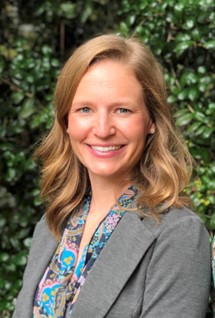
Lindsay Terrell MD, FAAP
May 19, 2026
Some babies came to our Foster Care Clinic still wrapped in hospital blankets, just days old. Toddlers clung tightly to older siblings. Teenagers sat quietly, already carrying more than most adults ever will. I loved caring for them, and over time, I found myself paying closer attention to the adults beside them.
The foster parents. The kinship caregivers.
They said yes to sleepless nights, complicated visits, and a system that rarely feels simple or predictable. They showed up for children who were not born to them, often arriving as strangers. The ones who did it well also held space for the child’s biological family with a kind of humility and grace that surprised me. Even when it meant ending the day with a tearful visit, even when everyone walked away emotionally exhausted, they kept showing up. It was deeply moving and real.
As a pediatrician, I began to understand that caring for children in foster care is not just about addressing medical needs. It is about supporting the stability of the placement itself. That means recognizing what families are carrying and stepping in early, before things begin to unravel.
I believed this. I taught it. But I did not fully understand it until Michael.
Our family got the call on a Friday afternoon.
Michael was four months old, in the NICU, with congenital heart disease. He was dependent on oxygen and tube feeds. The ask felt overwhelming; we both worked and we had young children at home. This was not what we had imagined when we became licensed foster parents the year before.
By Sunday, we said yes.
We told ourselves we would help him get through surgery and support reunification. That was the plan. It felt manageable, if we kept it contained.
What followed was something entirely different.
Michael required constant care. He vomited with feeds, between feeds, and sometimes it felt like he would get sick just from being moved. We carried oxygen tanks and feeding pumps everywhere, cleaning up along the way. He was weaning from medications that left him irritable and inconsolable.
I was a pediatrician, and still, I felt unprepared. I did not know what questions to ask. I did not know how to navigate the system he depended on.
Resources existed, but accessing them required persistence, time, and knowledge that many families simply do not have.
So, I learned.
I learned from nurses who showed me small, practical ways to make daily care manageable. I learned from social workers and other foster parents who helped me understand court processes and case planning. I learned from our social worker, who guided us through relationships with Michael’s family. I learned to come to appointments prepared, to ask for what we needed, and to push when we needed more or something did not make sense.
This was different than caring for my other children. Survival depended on navigating the system well.
Michael had his first heart surgery at five months old. His mother and grandmother were there. I kept a certain distance, telling myself this was temporary. Then came his second surgery. More complex, more uncertain. This time, there was no distance. I was his advocate.
Michael survived. He grew. He reached milestones, some late, but all hard won. Over time, it became clear that reunification would not be possible. His mother made the incredibly difficult decision to relinquish her rights and asked us to be his parents. We officially adopted him in 2021.
She remained in his life until her death last year. Her loss is one of the deepest griefs our family carries, especially for Michael, who knew her love.
Michael changed how I practice medicine. He taught me that every child comes with a story that extends far beyond the medical chart. When families sit in front of us, they are carrying histories, systems, and stressors we may not immediately see. If we do not take the time to understand that, we miss opportunities to connect with families in meaningful and potentially life-changing ways.
He also taught me that we cannot afford to be reactive. We have to show up early. We have to ask more, sooner. We have to anticipate the challenges families will face and help them navigate them before they reach a breaking point.
“I don’t know” is not enough. We have to say, “Let me find out.”
Because when health care shows up well, it does more than treat illness. It supports caregivers. It stabilizes placements. It can change trajectories.
Michael’s story is not about what we did for him. It is the story of how he taught me, and continues to teach me, what it truly means to show up.
*The views expressed in this article are those of the author, and not necessarily those of the American Academy of Pediatrics.
About the Author
Lindsay Terrell MD, FAAP
Lindsay Terrell MD, FAAP is an Associate Professor of Pediatrics and Section Chief of Child Abuse and Neglect at Duke University. She is a Child Abuse Pediatrician and Director of the Duke Foster Care Program, where her career has focused on improving the health and well-being of children in foster care, kinship care, and adoptive settings through proactive, trauma informed, and systems-based care. She helped establish the Duke Foster Care Clinic in 2013 and now leads a multidisciplinary program serving nearly 400 children across Durham and Orange Counties. Dr. Terrell also serves as Program Director of the Duke Child Abuse Pediatrics Fellowship and Chief Editor of the AAP Committee on Foster Care, Adoption, and Kinship Care (COFCAKC) newsletter. In addition to her professional work, she has been a foster parent since 2017 and, together with her husband, have grown to a family of seven. Her work is shaped by both clinical expertise and lived experience supporting children and families navigating foster care.