
Pediatricians and pediatric heath care providers have a role to play in reducing the risk of suicide among adolescents and young adults. In 2016, suicide was the second leading cause of death among both 10-14 years old (436) and 15-24 years old (5,723) according to the Center for Disease Control and Prevention (CDC) National Center for Injury Prevention and Control. The AAP provides guidance and resources for pediatricians and pediatric health care providers to help identify youth at risk for suicide.
Youth Suicide Prevention: Test Your Knowledge
Can you identify best practices and guidelines for youth suicide prevention? Take this short quiz to find out.
Campaign Materials

Clinical Resource
Building Systems of Support for Pediatric Primary Care Practices to Strengthen Youth Mental Health
This guide outlines key steps to help pediatric primary care clinicians build a comprehensive system of support within your practice and community.

Clinical Resource
Safety Planning in Youth Suicide Prevention
This guide introduces safety planning and supports its integration into clinical practice so that youth and their families have the tools they need to stay safe.

Clinical Resource
Dialectical Behavior Therapy (DBT) in Primary Care: Supporting Pediatric Mental Health
Pediatric clinicians can use this resource to guide patients and their families through challenging emotions to build long-term resilience.

Clinical Resource
Counseling on Access to Lethal Means (CALM) for Pediatric Clinicians
Use the CALM approach to support families and reduce youth suicide risk.

Clinical Resource
Clinical Pathways for Suicide Prevention in Pediatric Primary Care
Use an evidence-based clinical pathway to guide screening and management of suicide risk for patients 12 years and older.

Printable
We're Talking About Suicide Risk
Download and print this flyer for parents and caregivers to help them understand why you talk about suicide risk during clinic visits.

Social Media Graphic
For Parents: How is Your Child Doing?
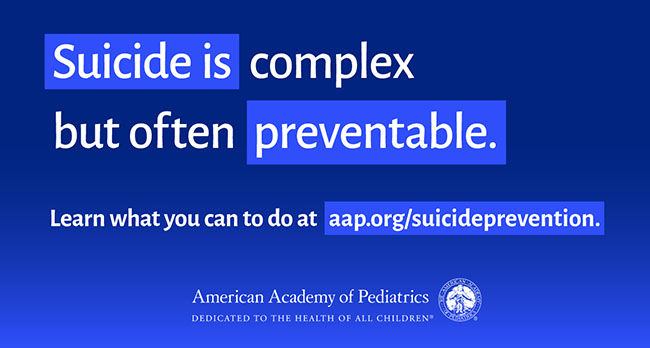
Social Media Graphics
For Clinicians: Suicide is Complex

Social Media Graphics
For Clinicians: Support Mental Health in Your Community

Social Media Graphics
For Clinicians: Support Mental Health in Your Community- Helping Hands

Tip Sheet
Promote Social-Emotional Health
Video
Self Harm and Suicide Motivational Interviewing Techniques (16 min)
Video
Depression Motivational Interviewing Techniques (12 min)
Video
Suicide Prevention (30 sec)
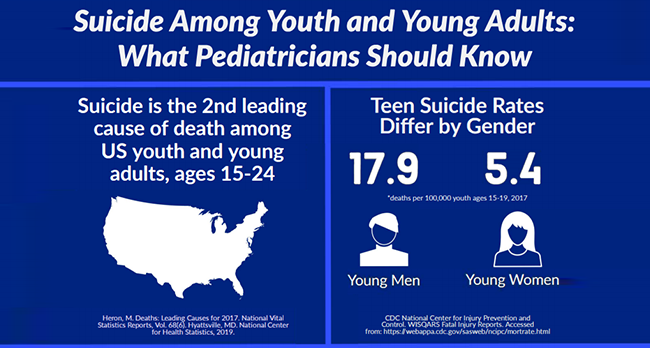
Infographic
Suicide Among Youth and Young Adults: What Pediatricians Should Know
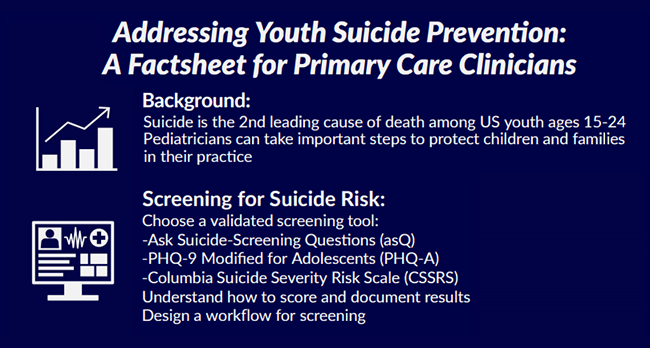
Factsheet
Addressing Suicide Prevention: A Factsheet for Primary Care Clinicians

AAP Voices Blog Post
Adolescent Depression: Be Ready to Ask and Respond

Poster
Safe Storage and Disposal of Medications

Poster
Mom! Dad! (Teen)

Poster
Mom! Dad! (Young Child)
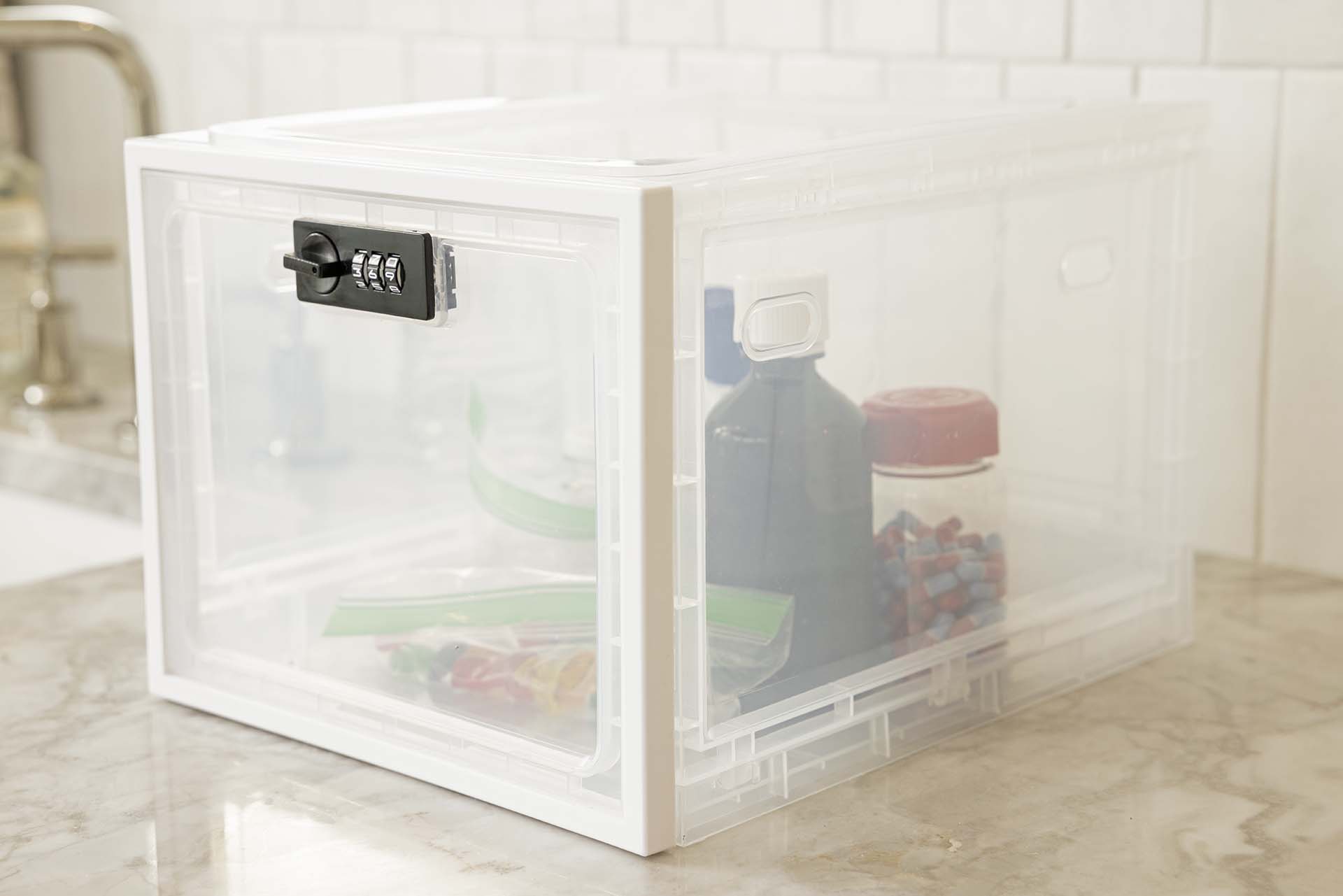
Image Gallery
Injury Prevention Image Gallery: Medication Safety
The AAP Injury Prevention Image Gallery features free, high-quality images that promote firearm safety strategies for families and caregivers. These visuals help communicate simple, effective safety measures- such as storing all medicines and vitamins out of reach, using proper dosing tools, and safely disposing of unused medications -families can implement to significantly reduce the risk of poisonings and medication-related injuries.

Image Gallery
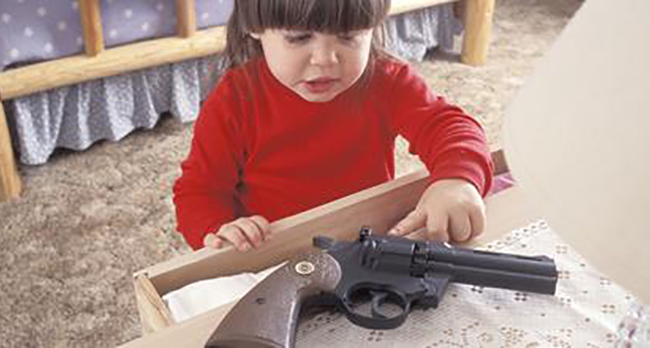
Injury Prevention Image Gallery: Firearm Safety
The AAP Injury Prevention Image Gallery features free, high-quality images that promote firearm safety strategies for families and caregivers. These visuals help communicate simple, effective steps - such as storing guns locked and unloaded and securing ammunition separately - to keep kids safe at home.

Advocacy
Safe Storage of Firearms
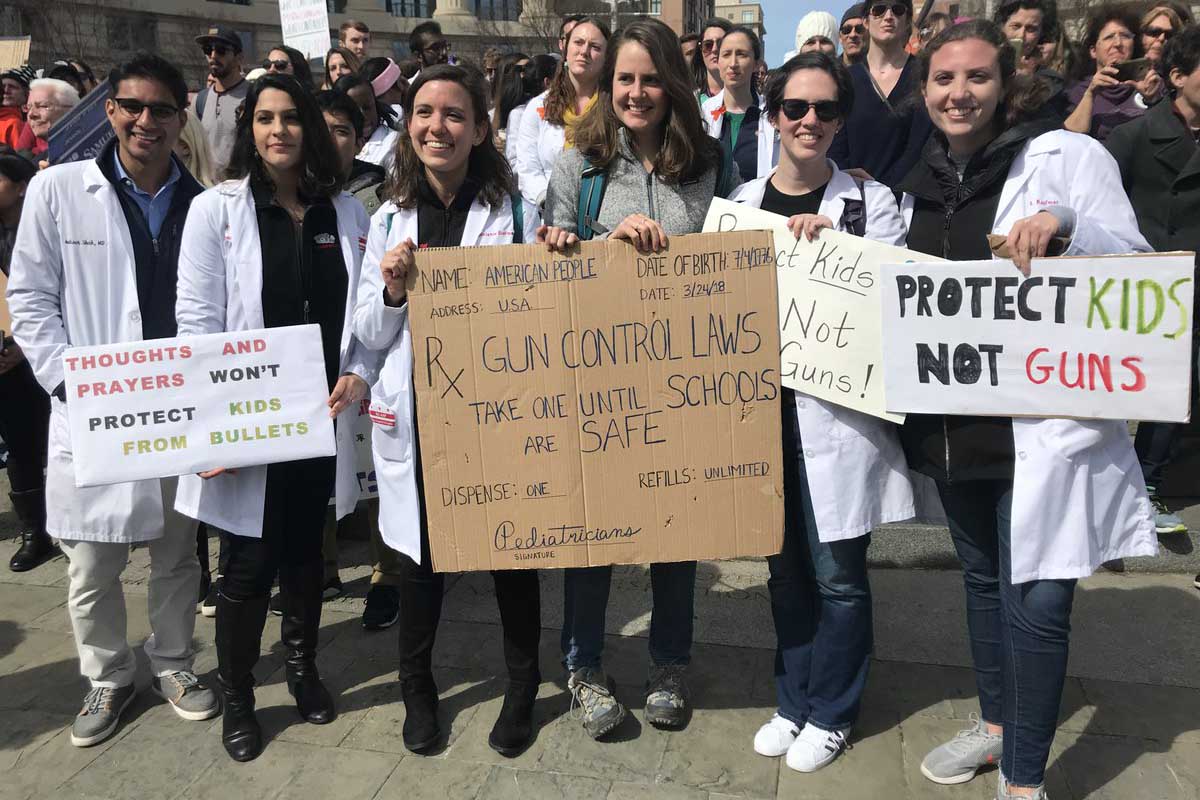
Advocacy
Extreme Risk Protection Orders (ERPO) or Red Flag Laws
Advocacy
Waiting Periods for Firearms Purchases

HealthyChildren.org
10 Things Parents Can Do to Prevent Suicide

HealthyChildren.org
Which Kids are at the Highest Risk for Suicide?

HealthyChildren.org
Mental Health and Teens: Watch for Danger Signs
Carousel 1
Blueprint Promotional Carousel Images
Carousel 2
Blueprint Promotional Carousel Images
Carousel 3
Blueprint Promotional Carousel Images
Carousel 4
Blueprint Promotional Carousel Images
AAP Recommendations
Blueprint for Youth Suicide Prevention
The Blueprint for Youth Suicide Prevention serves as an educational resource to help health care providers, health professionals, educators, and others implement strategies to prevent youth suicide in clinical and community settings.
Last Updated
07/22/2025
Source
American Academy of Pediatrics