In this episode, Amy Houtrow, MD, PhD, MPH, FAAP, discusses how assistive technology can help children with complex communication needs. David Hill, MD, FAAP, and Joanna Parga-Belinkie, MD, FAAP, also speak with Andrew Garner, MD, PhD, FAAP, and Robert Saul, MD, FAAP, about the different environmental and biological factors that impact development.
Subscribe Now




Follow Pediatrics On Call



Guests
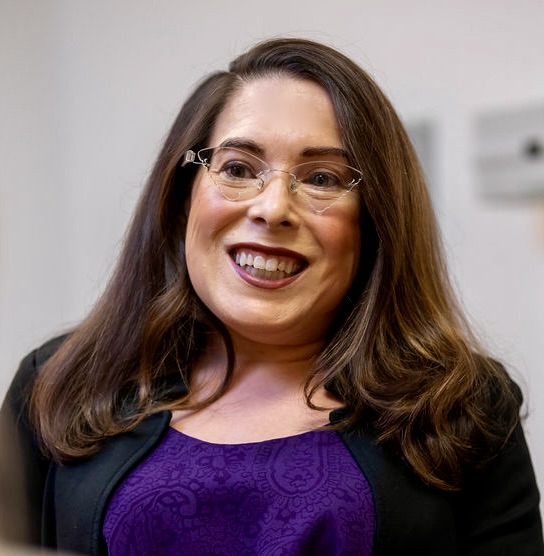
Amy Houtrow, MD, PhD, MPH, FAAP
Guest
Dr. Amy Houtrow is professor and endowed chair in the Departments of Physical Medicine & Rehabilitation and Pediatrics at the University of Pittsburgh’s School of Medicine, where she currently serves as the Vice Chair for Quality and Safety. Dr. Houtrow completed combined residency training in Pediatrics and Physical Medicine & Rehabilitation at Cincinnati Children’s Hospital and the University of Cincinnati Medical Center. In residency, she completed an MPH in Health Policy and Management at the University of Michigan. While on faculty at UCSF, during her K12 award, Dr. Houtrow earned a PhD with distinction in medical sociology. Dr. Houtrow’s career focuses on optimizing the health, function, well-being and belonging of children with disabilities.

Andrew Garner, MD, PhD, FAAP
Guest
Dr. Andrew Garner is a pediatrician, advocate and author. He has practiced primary care pediatrics with the University Hospitals of Cleveland for more than 25 years. A Clinical Professor of Pediatrics at CWRU, Dr. Garner is an active member of the American Academy of Pediatrics (AAP). He has served as the President of the Ohio Chapter, and he has participated in three AAP National Leadership Workgroups (on Poverty, Epigenetics, and Early Brain and Child Development). Dr. Garner has co-authored the AAP’s two policy statements (2012, 2021) on childhood toxic stress as well as an AAP-published book (2018) entitled “Thinking Developmentally: Nurturing Wellness in Childhood to Promote Lifelong Health.”
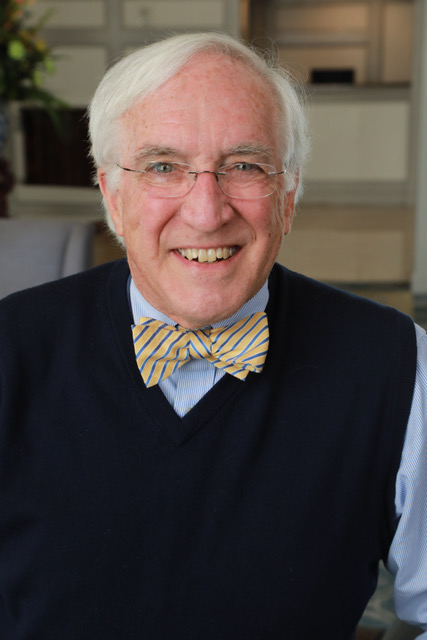
Robert Saul, MD, FAAP
Guest
Dr. Saul is a pediatrician and medical geneticist with over 44 years of experience. He has been a member of the AAP since 1982 and is the immediate past president of the South Carolina Chapter of the AAP. He received the SCAAP 2022 Career Achievement Award for dedicated public health service to the children of South Carolina. He was formerly the Chair of the AAP Council on Genetics and Birth Defects and the recipient of their lifetime achievement award in 2018 . He was co-chair of the AAP’s Genetics in Primary Care project and served on the AAP NCE Planning Group for six years. Most recently, he is an author with a passion for parenting advice, children’s advocacy and community improvement. He has authored three books and co-authored Thinking Developmentally: Nurturing Wellness in Children to Promote Lifelong Health.
Resources
Conflict of Interest Disclosure:
The interviewees have no conflicts of interest to disclose
Music Credits:
"Steadfast" by Blue Dot Sessions at www.sessions.blue
Theme music composed by Matthew Simonson at Foundsound.media
*The views expressed in this podcast are those of the guests and not necessarily those of the American Academy of Pediatrics.