Gastroschisis Across the Lifespan: The Story Doesn't End at NICU Discharge
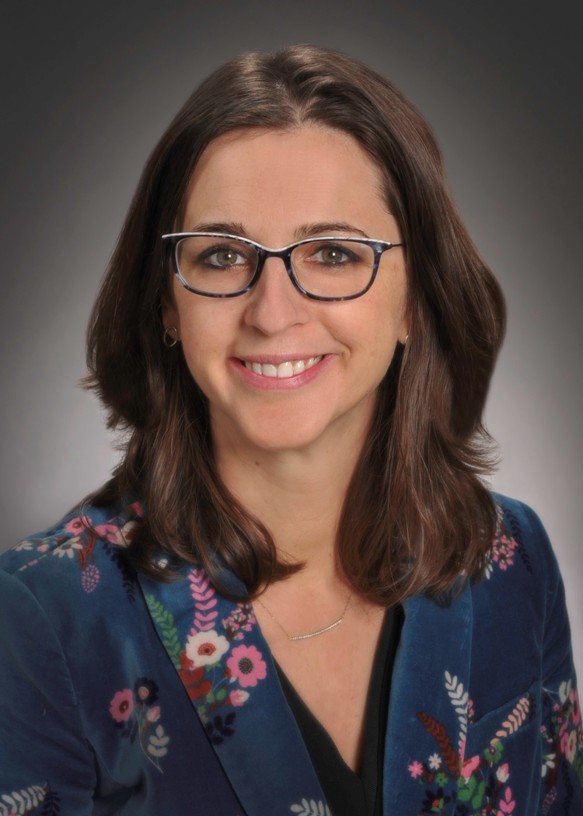
Amy J. Wagner, MD, FAAP
November 11, 2026
Early in my career as a pediatric surgeon, two experiences with parents sparked my interest and passion for gastroschisis and motivated me to devote my career researching this condition.
I met the first parent during a prenatal consultation. Her pregnancy was complicated by fetal gastroschisis, a condition at birth where the intestines push through a hole in the abdominal wall resulting in organs being present outside the body. Surgery is required to correct the issue. She was thoughtful, prepared, and eager to understand every detail of her baby's diagnosis. She came to every appointment, every ultrasound, and every recommended test. Despite doing everything possible, she arrived for a routine visit late in her pregnancy and learned that her baby had died before birth. The loss was devastating.
Later that same year, I cared for a newborn with vanishing gastroschisis, a rare and severe form of the disease. When surgery revealed that too little of her intestine remained to support survival without extraordinary interventions and an uncertain future, her family made the courageous but heartbreaking decision to focus on comfort care. Watching them navigate an impossible situation left a lasting impression on me.
More than a decade later, I still carry those experiences with me. Those families ignited my passion for caring for children with gastroschisis and understanding this condition more deeply. They also left me with a question that continues to drive my work today: Are we doing enough for these children and families beyond the newborn period?
Like many clinicians, I was trained to focus primarily on getting babies with gastroschisis safely through the neonatal surgery and infancy. Most infants, about 85%, have what is known as "simple" gastroschisis, meaning they do not have severe intestinal complications and generally recover well after surgery. Yet over time, I have come to realize that a successful surgery is only part of the story.
A few years ago, I had the opportunity to participate in a national meeting focused on gastroschisis that brought together clinicians, researchers, public health experts, and families with lived experience of the disease. Listening to families share their stories, I realized how much of the medical focus had centered on survival and neonatal care while neglecting to consider the long-term impacts and outcomes. Families described chronic abdominal pain, concerns about growth and nutrition, uncertainty about future health risks, and, in some cases, serious complications that occurred years after the initial surgery. Their stories highlighted something our field still does not fully understand: what long-term health and quality of life look like for children born with gastroschisis as they grow into adolescence and adulthood.
Families have taught me that we cannot assume the story ends when a child leaves the neonatal intensive care unit (NICU). While many children do extremely well, some face challenges related to growth, gastrointestinal health, chronic pain, neurodevelopment, or other complications as they grow.
When it comes to the future beyond surgery, we still lack many of the answers families are seeking. This leaves them uncertain about what life could look like for their children throughout childhood, adolescence, and adulthood.
More research is needed, but awareness is equally important.
This is where pediatricians play a critical role.
Pediatricians are often the clinicians who know these children best and care for them the longest. We are uniquely positioned to monitor growth and development, recognize emerging concerns, coordinate referrals, and partner with families as children move from infancy through adolescence and eventually into adult care. We may also be the first to recognize symptoms that warrant further evaluation or specialty consultation, including signs of rare but serious complications such as bowel obstruction or midgut volvulus, which require prompt surgical assessment.
This is particularly important because a history of gastroschisis may not always be obvious. Some children, especially those born with simple gastroschisis, undergo sutureless surgeries and may have little visible evidence of their surgical repair, making it easy for future providers to overlook this part of the patient's early medical history. Understanding that a child was born with gastroschisis, even when they appear to be doing well, can help ensure that ongoing concerns are recognized and appropriately addressed.
Equally important is listening to families and acknowledging their experiences; we should never minimize what they have been through. Even when the prognosis is favorable, a diagnosis of gastroschisis can bring months of uncertainty, prolonged hospitalization, and lasting emotional stress. Parents want honest information, trusted guidance, and clinicians who understand that every family's journey is different.
As awareness grows, clinicians have more opportunities to learn about the potential long-term implications of gastroschisis and how to support affected children and families over time. Recent educational efforts, including AAP-developed fact sheets for pediatric clinicians, emergency clinicians, and surgeons, are helping bring greater attention to considerations that extend beyond the neonatal period. While we are still learning about its long-term impacts, we can draw on the knowledge we have today, listen to patients and families, learn from their experiences, and work together to provide coordinated care and support across the lifespan.
If there is one message I hope readers take away, it is this: don't assume the story ends after neonatal surgery. Stay curious and connect with your patient and their family so you can manage anything that comes their way.
*The views expressed in this article are those of the author, and not necessarily those of the American Academy of Pediatrics.
About The Author
Amy Wagner, MD, FAAP
Amy Wagner, MD, FAAP is a Professor of Surgery and Pediatric Surgeon at Children’s Wisconsin. She is the lead investigator in the national, multi-center Gastroschisis Outcomes of Delivery (GOOD) Study which is funded by the NICHD Branch of the NIH. She is a Wisconsin native and obtained her Undergraduate Degree from the University of Wisconsin and attended medical school at the Medical College of Wisconsin. She then completed her adult General Surgery residency in Seattle, Washington at Virginia Mason Medical Center and completed a fetal surgery research fellowship at the University of California- San Francisco. Dr. Wagner returned to Wisconsin for her pediatric surgery fellowship at Children’s Wisconsin and then completed an additional fetal surgery fellowship at UCSF.
She was recruited to stay at Children’s Wisconsin and start a fetal surgery program in 2011. She has held many leadership positions at Children’s Wisconsin and nationally including the Surgical Director of the Fetal Concerns Center, the Pediatric Surgery Section Chief, and she served on the Board of Directors of NAFTNet (the North American Fetal Surgery Network). She has also won numerous teaching and research awards.
Dr. Wagner’s research area of interest is abdominal wall defects- specifically gastroschisis. She was approached by NAFTNet in 2013 to be the lead investigator and develop the national gastroschisis GOOD Study which currently has 42 centers participating. She received a NIH R01 grant to investigate the optimal delivery timing in gastroschisis as well as prenatal and neonatal outcomes. Her study also includes the largest databank and biobank of gastroschisis patients in the United States. She is considered a national expert in gastroschisis and has been invited to give many lectures both nationally and internationally, including at the Centers for Disease Control and Prevention (CDC). Dr. Wagner enjoys her research and busy pediatric surgery practice. She is most proud of her two amazing girls (ages 15 and 17). She is also passionate about practicing yoga and owns a Bikram yoga studio in Milwaukee.